

Permanent Metal Roofing for Ottawa Homes
Premium concealed-fastener steel roofing in slate, shake and standing-seam profiles—planned for Ottawa’s snow, wind, freeze-thaw cycles and four-season weather.
Metal Roofing Ottawa Table of Contents
Select any section below to jump directly to that part of the complete Ottawa homeowner guide.
A better roofing decision starts with better information.
An Ottawa roof has to manage heavy snow, spring melt, summer heat, wind-driven rain and repeated freeze-thaw cycles. The metal panel is only one part of the solution. Profile, fastening method, underlayment, ventilation, flashing and installer workmanship must work as one complete roofing system.
ROOFNOW™ helps homeowners compare permanent steel roofing systems without reducing the decision to colour alone. We explain which panel is appropriate for the roof design, how valleys and penetrations will be detailed, what substrate and finish are being quoted, and what the warranties actually cover.
Visit the Roofing Knowledge Centre →Why Ottawa weather changes the metal-roof conversation
Metal roofing in Ottawa should be planned around the complete building envelope, not marketed as a decorative layer placed on top of a house.
Ottawa homeowners experience conditions that test every part of a roof assembly. Winter snow can remain on shaded roof slopes while sun warms another part of the same roof. Temperatures can move above and below freezing, producing meltwater that reaches colder eaves. Spring introduces wind-driven rain and rapid snowmelt. Summer brings heat, ultraviolet exposure and severe storms. In autumn, leaves and organic debris can collect behind chimneys, in valleys and around roof transitions. A long-lasting Ottawa metal roof must manage all of these conditions.
Snow, ice and roof geometry
A steel roof can be an excellent choice for Ottawa winters, but snow behaviour must be considered before installation. A simple gable roof behaves differently from a steep, multi-level roof with dormers, valleys, skylights and lower additions. Smooth metal surfaces may release snow differently from textured metal panels. Where a roof drains above an entrance, walkway, deck, driveway or mechanical equipment, the design conversation should include snow movement and whether a compatible snow-retention strategy is appropriate.
Ice protection at the eaves and vulnerable transitions is also part of responsible planning. The exact assembly should follow the selected manufacturer’s installation instructions and applicable project requirements. More material is not a substitute for proper detailing: the roof deck, underlayment, eaves, valleys, ventilation and flashings must function together.
Wind and changing temperatures
Metal expands and contracts as temperatures change. Quality roofing systems account for this movement through panel design, clips, fastening patterns and installation details. This is one reason the words “metal roof” are not a complete specification. A concealed-fastener standing-seam system manages movement differently from an interlocking slate-look steel panel. The contractor must install the actual system according to its tested design and manufacturer requirements.
ROOFNOW™ planning principle
Profile + substrate + coating + fasteners + underlayment + ventilation + flashing + workmanship determine the result. Homeowners should see these items identified in the proposal instead of receiving a vague quote for “metal roofing.”
Steel roofing versus asphalt shingles in Ottawa
The decision is not simply about the lowest installation price. It is about how long you expect to own the property, how often you want to replace the roof and what level of exterior performance you value.
Asphalt shingles remain a common roofing material because they are familiar and generally have a lower initial cost. Their actual service life can be affected by roof exposure, ventilation, installation quality, storm damage and repeated freeze-thaw conditions. When homeowners expect to remain in a property for many years, the possibility of one or more future shingle replacements becomes part of the financial and practical comparison.
Permanent steel roofing has a higher initial investment because the panels, trims, accessories and installation process are different. In return, homeowners can select a system intended for long service, with concealed fastening, durable factory-applied coatings and written warranty options. Steel is non-combustible, recyclable and available in profiles that recreate slate or shake as well as contemporary standing seam.
A responsible comparison should use complete installed scopes. Ask whether removal is included, how damaged decking will be handled, which underlayment is specified, whether ventilation work is included, how penetrations will be flashed, how snow management will be addressed and what happens during cleanup. A low number with missing details is not directly comparable to a complete permanent-roof proposal.
Why ROOFNOW™ focuses on steel rather than aluminum
ROOFNOW™ specializes in coated-steel roofing systems because steel combines strength, profile stability, broad architectural choice and proven finish options. Available systems can use G90 galvanized or Galvalume steel with WeatherXL™ Crinkle or PVDF/Kynar 500® finishes. The final gauge and material specification must match the engineered roofing product rather than being selected by a marketing claim alone.
What professional metal-roof installation includes
Ottawa metal roofing performance depends heavily on details that are difficult to see from the street.
Roof-deck assessment and preparation
The roof deck provides the foundation for the assembly. Before installation, the contractor should understand the existing roof layers, identify visible signs of deterioration and define how unexpected damaged wood will be handled. Installing a premium metal panel over an unsuitable substrate does not solve the underlying problem. The chosen preparation method must be compatible with the roofing system and current site conditions.
Underlayment and eave protection
Underlayment is a secondary water-shedding layer beneath the steel roofing. Eaves and other vulnerable areas may need enhanced protection because of ice-dam risk and wind-driven precipitation. ROOFNOW™ uses project-appropriate underlayment and ice-protection details based on the specified assembly. Homeowners should ask for these materials to be identified rather than accepting a generic reference to “paper.”
Valleys, walls, chimneys and penetrations
Most roof leaks develop at transitions and penetrations, not through the centre of an intact steel panel. Valleys must move concentrated water safely. Sidewalls and headwalls need system-specific flashing. Chimneys, skylights, plumbing stacks and vents require careful integration so water moves onto the roof surface without depending on exposed sealant as the primary long-term strategy. Complex Ottawa roofs deserve a detailed flashing plan before panels are cut.
Ventilation and condensation control
Metal roofing does not create attic moisture, but changing the roof covering does not correct an existing ventilation or air-sealing problem either. Warm, humid indoor air that reaches a cold attic surface can condense. Balanced intake and exhaust ventilation, appropriate insulation and air sealing all contribute to a healthy roof assembly. A contractor can review visible roofing and ventilation conditions, while complex building-envelope concerns may require a qualified specialist.
Concealed-fastener roofing systems
ROOFNOW™ emphasizes concealed or hidden-fastener systems. In these assemblies, the primary attachment is protected beneath interlocking panels or seams rather than left directly exposed across the main roof surface. This improves appearance and reduces reliance on rows of exposed fasteners. It does not eliminate the need for correct fastening: spacing, placement, clip engagement and panel alignment remain essential.
What affects metal roofing cost in Ottawa?
A meaningful estimate requires more than multiplying the apparent footprint of the house by a single advertised number.
The measured roof area includes slope and is not the same as the home’s floor area. Waste requirements change with valleys, hips, dormers and short panel cuts. Steep slopes, limited driveway access, landscaping, neighbouring properties and multi-storey elevations affect staging and labour. Tear-off, disposal, deck repairs, ventilation changes, premium flashings and snow-retention components may also alter the scope.
Product choice matters as well. An interlocking slate-look panel, steel shake and mechanically seamed standing seam are different systems with different materials and installation requirements. Gauge alone does not establish price or quality. Compare the complete assembly, coating, accessories, manufacturer requirements, contractor workmanship and warranty coverage.
Information that improves your estimate
- Full Ottawa-area property address
- Approximate age and type of existing roof
- Known leaks, ventilation or deck concerns
- Preferred slate, shake or standing-seam style
- Photos of the home and difficult roof areas
- Desired project timing and future renovation plans
Metal roofing for urban, suburban and rural properties
The National Capital Region contains a wide range of housing styles, roof shapes, lot conditions and planning priorities.
Central Ottawa
Older neighbourhoods may include mature trees, narrow access, additions, masonry chimneys and multiple roof transitions. Material delivery, property protection and custom flashing deserve early attention.
Kanata, Stittsville & Barrhaven
Suburban homes often have garages, intersecting gables and valleys facing driveways or entrances. Slate-look steel and standing seam can provide a major exterior update while snow movement is planned around occupied areas.
Orléans & east Ottawa
Wind exposure, roof orientation and neighbourhood architecture help guide profile and colour decisions. Low-gloss black, grey and brown finishes are popular ways to add definition without excessive glare.
Nepean & west Ottawa
Renovated homes may combine original roof planes with additions, skylights or cathedral ceilings. These conditions call for careful ventilation and transition-flashing review.
Manotick, Richmond & Greely
Larger homes and rural-style properties can have long valleys, steep pitches, porches and complex rooflines. Steel shake, slate-look panels and standing seam each create a distinct architectural result.
Carp & surrounding communities
More exposed properties may face different wind and snow conditions than closely spaced urban homes. Site access, outbuildings and future solar or addition plans should be discussed before finalizing the roof.
ROOFNOW™ serves homeowners across Ottawa, Kanata, Nepean, Barrhaven, Orléans, Stittsville, Manotick, Richmond, Greely, Carp, Kemptville, Rockland and surrounding Eastern Ontario communities. Service availability and scheduling are confirmed for each address.
Metal-roof care, inspection and future planning
Permanent does not mean a roof should be ignored forever. Homeowners should visually monitor the roof after major storms and keep gutters, drainage paths and valleys free of debris where this can be done safely. Do not walk on metal panels without authorization and system-specific knowledge; incorrect foot placement can damage some profiles and creates a serious fall hazard.
Any future work involving chimneys, solar equipment, satellite hardware, vents or additions should be coordinated with a contractor familiar with the installed metal-roof system. Unplanned penetrations and incompatible metals can compromise a roof that was performing correctly. Keep product records, colour information, contracts and written warranties available for future owners and contractors.
If a concern appears, photograph it from a safe location and contact the installer before another trade applies sealant or modifies panels. Early, system-appropriate attention is generally better than an improvised repair. Warranty terms may also contain inspection, transfer or notification requirements, so homeowners should retain and read the actual documents.
Metal roofing styles for Ottawa architecture
From established neighbourhoods to contemporary infill and rural properties, the right profile should complement the home while meeting the technical demands of the roof.
Slate-Look Steel
Interlocking steel panels create the dimensional look of slate without the extreme weight. Textured crinkle finishes reduce glare and add depth to black, grey and brown colour selections.
Steel Shake
A permanent-roof option inspired by cedar shake. It suits cottages, rural homes and properties where homeowners want texture rather than the long vertical lines of standing seam.
Standing Seam
Raised vertical seams and concealed clips create a crisp appearance well suited to modern homes, additions and select traditional designs. PVDF finishes provide premium colour performance.
Not every “metal roof” is the same
Ask what is beneath the colour. Gauge, metallic coating, paint system, panel geometry and fastening method all influence how the finished roof performs.
| Feature | ROOFNOW™ permanent-roof options | Why it matters |
|---|---|---|
| Steel thickness | 26–28 gauge, system dependent | Allows the material to be matched to the engineered panel and project requirements. |
| Fastening | Concealed / hidden-fastener systems | Protects primary fasteners from direct exposure and supports a cleaner roof surface. |
| Substrate | G90 galvanized or Galvalume coated steel | Provides a corrosion-resistant metallic coating beneath the painted finish. |
| Finish | WeatherXL™ Crinkle or PVDF/Kynar 500® options | Lets homeowners select texture, gloss and colour-retention characteristics for the application. |
| Profiles | Slate, shake and standing seam | Offers architectural flexibility without moving away from durable steel roofing. |
| Warranty | Up to 50-year transferable coverage on qualifying systems | Coverage varies by product; the exact written warranty should be reviewed before purchase. |
The roof is a system—not just panels.
A permanent roof deserves careful preparation. Before recommending an assembly, the existing roof deck, attic ventilation, eaves, valleys, penetrations and transitions should be assessed.
Snow does not affect every roof equally. Roof pitch, exposure, roof geometry, adjoining walkways and entrances all matter. Snow-retention planning may be appropriate above vulnerable areas, while balanced intake and exhaust ventilation helps the full roof assembly manage moisture.
ROOFNOW™ installation planning can include premium underlayment, enhanced eave protection, purpose-made ventilation and system-specific trims. Final specifications are confirmed for the selected product and the conditions found at your home.
From roof review to final inspection
You should understand what you are buying before work begins. Our process keeps the product, scope and expectations clear.
Tell us about the roof
Share the Ottawa-area address, roof concerns, preferred profile and project timing.
Review the home
We assess measurements, complexity, roof condition, access and ventilation considerations.
Compare your options
Review the proposed panel, gauge, substrate, finish, colour, installation scope and warranties.
Professional installation
Your property is protected, the system is installed, cleanup is completed and the work is reviewed.
Serving Ottawa and surrounding communities
Request an assessment for an urban, suburban, rural or cottage property across the Ottawa region.
Planning a replacement?
Send us your address and a few details. We’ll help you understand suitable steel-roofing systems and the next step for an accurate project estimate.
Get My Free Metal Roof Estimate →Prefer to talk?
1-833-901-1649
Metal roofing questions, answered
How long can a metal roof last in Ottawa?
A properly selected and installed steel roofing system is intended as a long-term roof. Actual service life depends on the product, environment, roof design, workmanship and maintenance. Qualifying ROOFNOW™ systems may include up to a 50-year transferable warranty; always review the exact written coverage for the product quoted.
Is a steel roof suitable for Ottawa snow?
Yes, when the roofing assembly is selected and installed for the structure and roof design. Snow behaviour depends on slope, panel surface, exposure and roof geometry. Entrances, walkways, decks and mechanical equipment should be considered when discussing snow retention and drainage.
Are metal roofs noisy during rain?
On a home, metal roofing is installed as part of a layered assembly over a roof deck and underlayment, with attic space and insulation below. This is very different from an exposed metal roof on an open agricultural building. Most homeowners do not experience the dramatic noise sometimes associated with bare sheet metal.
Can metal roofing be installed over existing shingles?
Sometimes, but it is not automatically the best approach for every home or every roofing system. The existing layers, deck condition, local requirements, manufacturer instructions, roof geometry and ventilation must be reviewed. ROOFNOW™ explains the proposed assembly before installation.
What is the difference between WeatherXL Crinkle and PVDF/Kynar 500?
They are different factory-applied coating technologies. Crinkle finishes provide a textured, low-gloss architectural appearance, while PVDF coatings are widely selected for premium colour and weathering performance. Availability depends on the manufacturer, profile and colour.
Does a metal roof attract lightning?
A metal roof does not increase the likelihood that a building will be struck by lightning. Metal is non-combustible and conductive, but lightning risk is primarily influenced by a structure’s location, height and surroundings. Site-specific lightning-protection questions should be directed to a qualified specialist.
How much does metal roofing cost in Ottawa?
Price depends on measured roof area, pitch, access, complexity, removal requirements, ventilation, flashings and the selected steel system. A simple per-square-foot number can be misleading without the full scope. Request a project-specific estimate so the quoted system and installation details are clear.
STOP RE-ROOFING.
ROOF SMART. ROOF ONCE.
Start My Ottawa Roof Estimate →Crinkle WeatherXL, PVDF and Kynar 500 metal roofing in Ottawa
A permanent metal roof is more than a colour placed over steel. The substrate, gauge, panel profile, fastening method and factory-applied paint finish all influence the appearance and performance of an Ottawa roofing system.
ROOFNOW™ offers concealed-fastener and interlocking steel roofing in slate, shake and standing-seam profiles. Depending on the selected manufacturer and panel, specifications can include 26-gauge to 28-gauge steel, G90 galvanized or Galvalume-coated substrates, textured Crinkle WeatherXL finishes and premium PVDF paint systems using Kynar 500® resin. Every product is different, so the exact panel and written manufacturer specifications should be confirmed in the project proposal.
Crinkle WeatherXL™ paint finishes
Crinkle WeatherXL provides a textured, low-gloss architectural appearance that works especially well with slate-inspired and steel-shingle profiles. Crinkle Black creates strong definition, Crinkle Grey provides a softer neutral appearance and Crinkle Brown coordinates naturally with brick, stone, wood and warm siding colours.
The textured surface helps reduce the flat, highly reflective appearance sometimes associated with smooth metal roofing. Availability depends on the manufacturer, profile and current colour collection.
PVDF paint and Kynar 500®
PVDF is a premium coating chemistry widely used for architectural metal roofing. Kynar 500 is a recognized branded PVDF resin used in qualifying factory-applied paint systems. These finishes are frequently selected for standing seam and other architectural panels where long-term colour and weathering performance are important.
PVDF and Kynar 500 are not simply colour names. Homeowners should confirm the coating specification, manufacturer, panel, colour and applicable written warranty.
Permanent metal roofing systems for Ottawa homes
ROOFNOW™ installs several steel roofing systems so Ottawa homeowners can compare architecture, finish, fastening and long-term value instead of being limited to one panel.
Standing-Seam Metal Roofing
Standing seam provides clean vertical lines with concealed clips or fastening protected beneath raised seams. Available 24- and 26-gauge systems, seam dimensions and PVDF/Kynar 500 colours depend on the selected panel.
Explore standing-seam roofing →RARE Metal Roofing
RARE Manufacturing profiles include Ironstone Slate, Ironwood Shake, Heavy Shake and European Tile. These architectural steel systems provide dimensional alternatives to conventional asphalt roofing.
View RARE roofing products →Vicwest True Nature™
Vicwest North Ridge Slate and Cedar Creek Shake reproduce the character of natural slate and wood shake in formed steel, using concealed fastening for a clean finished roof surface.
Explore Vicwest slate and shake →Wakefield Bridge™
Ideal Roofing’s Wakefield Bridge offers a familiar shingle-scale appearance in steel. It can suit Ottawa homeowners who want permanent metal roofing without the long vertical appearance of standing seam.
Explore Wakefield Bridge roofing →Metstar Crinkle Roofing
Metstar architectural steel roofing includes textured, low-gloss crinkle options. Selected systems are available in Crinkle Black, Crinkle Grey and Crinkle Brown for coordination with Ottawa exteriors.
Explore Metstar roofing →Integrated Solar Roofing
The black RARE Ironwood e-Panel integrates solar generation into a compatible architectural roofing design for qualifying homeowners planning a permanent roof and future-focused energy system.
Discover Ironwood e-Panel solar →Which metal roofing product is right for your Ottawa home?
There is no single best profile for every property. Roof pitch, valleys, dormers, attic design, snow movement, exterior architecture, preferred finish and budget all matter. Review the complete collection or request a project-specific recommendation from ROOFNOW™.
View Products & Colours Get My Free Metal Roof EstimateMetal roofing for Ottawa snow, ice and freeze-thaw conditions
Ottawa’s winter climate places demands on the entire roof assembly. A permanent steel roof must do more than cover the deck: it must work with the underlayment, eave protection, ventilation, insulation, flashings, drainage and snow-management plan.
Winter roofing performance begins with understanding how a specific home behaves. Two houses on the same Ottawa street can experience different snow accumulation and ice formation because of roof direction, tree cover, attic heat loss, wind exposure, roof pitch and geometry. A south-facing slope may warm in direct sunlight while a shaded eave remains below freezing. Meltwater can travel down the roof and refreeze at the colder edge. Valleys, dormers and lower additions can collect or redirect snow in ways that a simple gable roof does not.
Metal roofing is well suited to long-term Ontario roof planning, but the material alone does not eliminate ice dams, condensation or snow movement. Those issues are influenced by the complete building and roofing system. ROOFNOW™ evaluates the panel profile together with the conditions beneath and around it so Ottawa homeowners understand what is being proposed before installation begins.
Heavy and drifting snow
Wind can remove snow from one roof area and deposit it in another. Intersecting rooflines, dormers, valleys and walls may create localized accumulation. The home’s structure and the selected roofing system must be suitable for the project conditions.
Repeated freeze-thaw cycles
Ottawa temperatures regularly move above and below freezing. Snow may melt during daylight, travel toward the eaves and refreeze as temperatures fall. Eave protection, drainage and attic heat control all contribute to managing this risk.
Wind-driven precipitation
Winter storms can push fine snow into vulnerable openings, while spring and fall storms drive rain toward walls, valleys and penetrations. System-specific flashing and closure details are critical around these transitions.
Why ice can form at Ottawa roof edges
An ice dam can develop when snow melts on a warmer portion of the roof and refreezes near a colder eave. Water may then collect behind the ice. The visible roofing material is only one factor. Air leakage from the living space, uneven insulation, blocked soffit intake, inadequate exhaust ventilation, roof geometry and outdoor temperature patterns can all influence the process.
Replacing asphalt shingles with steel does not automatically correct existing heat loss or ventilation deficiencies. Before installing a permanent metal roof, it is wise to review visible attic and ventilation conditions. Balanced intake and exhaust ventilation may help keep roof-deck temperatures more consistent, but ventilation cannot compensate for every insulation or air-sealing problem.
Ice-and-water protection at vulnerable eaves provides secondary protection beneath the finished roof. Its placement and compatibility should follow the selected roofing system, manufacturer instructions and applicable project requirements. Proper eave flashing, underlayment laps and drainage details remain necessary.
Important distinction
Ice dams are primarily a heat-flow and roof-assembly issue—not proof that metal roofing is unsuitable for Ottawa. A carefully planned steel roof combines the finished panels with appropriate underlayment, eave protection, ventilation review and project-specific detailing.
Planning metal roofing around entrances, walkways and lower roofs
Snow does not always remain in place on a metal roof. Its movement depends on the roof profile, coating texture, slope, sun exposure, temperature, accumulated depth and the shape of the building.
A smooth standing-seam roof may release snow differently from a textured Crinkle WeatherXL slate-look panel. That does not mean one profile always sheds snow and another never does. Changing weather can cause snow to bond, layer, melt or release unexpectedly. The areas below the roof should therefore be reviewed before panel selection and installation.
Entrances, public walkways, decks, driveways, heat pumps, gas meters and neighbouring properties may require special consideration. A lower porch or garage roof can also receive snow from a taller upper slope. Where snow retention is recommended, the device and attachment method must be compatible with the roofing system. Unapproved fasteners through finished panels can create leak paths and affect warranty coverage.
Where snow retention may be discussed
- Above frequently used doors and steps
- Over pedestrian walkways or accessible side yards
- Above decks, patios and outdoor living areas
- Where upper roofs discharge onto lower roof sections
- Near mechanical equipment, meters or delicate landscaping
- Along roof edges near neighbouring property
Why system compatibility matters
Standing-seam clamps, adhesive-mounted components and mechanically attached snow-management systems are not interchangeable. Panel thickness, seam shape, clip movement, coating and manufacturer requirements affect the appropriate option. Snow guards should be designed as a coordinated layout rather than scattered decorations.
The proposal should identify whether snow retention is included, excluded or recommended for later design. Homeowners should understand the intended locations before installation.
Roof-safety reminder
Never climb onto a snow-covered or icy metal roof. Metal surfaces can be slippery even when they appear dry. Inspections, snow removal and winter repairs should be handled from a safe location by properly equipped professionals familiar with the installed system.
Condensation is different from a roof leak
Water found in an attic does not automatically mean precipitation passed through the metal panels. Moisture can originate indoors, condense on a cold surface or enter at a flashing detail. Finding the source is essential before choosing a repair.
Warm indoor air naturally carries moisture. If air leaks from the living area into a cold attic or roof cavity, water vapour may condense on cold materials. This can appear as frost during very cold weather and water staining when temperatures rise. Bathroom fans exhausting into the attic, gaps around ceiling penetrations, insufficient insulation and blocked ventilation paths can increase the problem.
A roof leak follows a different path. Rain or snowmelt may enter through damaged roofing, an incorrectly detailed valley, a penetration, wall flashing or another exterior transition. Because water can travel along framing or underlayment before becoming visible, the interior stain may not be directly below the entry point.
Metal roofing should be installed over an assembly designed to manage incidental moisture while protecting the structure. Premium underlayment provides a secondary layer, but it is not a substitute for properly formed flashings and complete water-shedding details. Intake and exhaust ventilation should remain open, and indoor exhaust systems must discharge outside rather than into the attic.
Document the pattern
Note whether moisture appears during rain, snowmelt, extreme cold or rapid warming.
Inspect safely
Use interior observations and ground-level photographs. Do not walk on an icy roof.
Identify the source
Separate exterior water entry from indoor humidity, air leakage and condensation.
Correct the cause
Use a system-appropriate repair instead of covering symptoms with surface sealant.
Valleys, chimneys, vents and roof transitions
The centre of a properly installed metal panel is rarely the most complicated part of an Ottawa roof. Concentrated water, drifting snow and changing temperatures place greater demands on valleys, penetrations and transitions.
Roof valleys
Valleys collect drainage from two roof slopes. Snow and debris may remain there longer than on open areas. The valley material, width, panel cuts, fastening locations, underlayment and upper termination should all follow the selected system.
Chimneys and walls
Back pans, side flashings and upper cricket details may be required depending on chimney width and roof design. These areas should move water around the obstruction without relying on exposed caulking as the primary defence.
Roof penetrations
Plumbing stacks, exhaust vents, skylights and future solar attachments need compatible boots, curbs or flashings. Penetrations should be planned before panel layout whenever possible.
Sealants can support a properly designed detail, but they should not replace the metal flashing geometry that directs water downslope. Ottawa’s temperature changes cause materials to move, and exposed sealants can age. A durable installation uses laps, hems, closures and system-specific trims to manage water mechanically.
Ottawa metal roof inspection and seasonal care
Permanent roofing is designed for long service, but responsible ownership still includes observation and appropriate maintenance.
From the ground, homeowners can look for displaced trims, storm damage, accumulated branches and blocked drainage. Gutters and downspouts should move meltwater away from the building. Leaves and needles should not be allowed to form persistent wet piles in accessible valleys or behind chimneys. Any cleaning must be performed without damaging coatings or creating a fall hazard.
After severe wind, freezing rain or unusual snow movement, photograph concerns from a safe location and contact a contractor familiar with the roof system. Avoid allowing another trade to cut panels, add exposed fasteners or apply incompatible sealant without approval. If satellite equipment, new vents, solar components or an addition are planned, coordinate the work so new penetrations and transitions are integrated correctly.
Keep the contract, product name, colour code, manufacturer documents and warranty information. These records help when matching future additions, ordering compatible accessories or transferring qualifying warranty coverage to a future homeowner.
Plan an Ottawa metal roof for all four seasons.
Get My Free Metal Roof Estimate →How a permanent metal roof is installed on an Ottawa home
A metal roof is only as dependable as the assembly beneath it and the workmanship around its most difficult details. ROOFNOW™ treats roof assessment, deck preparation, underlayment, ventilation, flashing and cleanup as parts of the finished roofing system.
Ottawa homes range from simple bungalows to steep multi-storey properties with intersecting gables, dormers, valleys, chimneys, skylights and additions. The installation plan must reflect the actual building rather than applying one generic method to every roof. Panel profile, roof slope, existing layers, deck condition, attic design, access and winter drainage all influence the recommended approach.
Before work begins, homeowners should understand whether the existing roofing will be removed, how damaged decking will be addressed, which steel panel and finish are included, what underlayment is specified, how ventilation will be handled and what flashing method will be used at every transition. Clear specifications protect both the home and the homeowner’s expectations.
System selection
Choose the slate, shake, steel-shingle or standing-seam profile, then confirm gauge, substrate, coating, colour, fastening method and manufacturer requirements.
Roof-specific planning
Map eaves, valleys, hips, ridges, walls, chimneys, vents, skylights, transitions and areas where snow or concentrated drainage requires attention.
Complete written scope
Identify removal, disposal, deck repairs, underlayment, ice protection, ventilation, trims, flashings, property protection, cleanup and warranty documents.
The ROOFNOW™ metal roofing process
Project conditions vary, but a professional Ottawa metal roof installation generally follows a deliberate sequence from assessment through final review.
Roof assessment
Measurements, slope, complexity, access, existing layers, visible deck concerns and ventilation conditions are reviewed.
Material confirmation
The panel, profile, gauge, G90 or Galvalume substrate, Crinkle WeatherXL or PVDF/Kynar 500 finish and colour are documented.
Site preparation
Delivery, equipment, landscaping protection, driveway use, debris control and homeowner access are coordinated.
Existing-roof work
The approved tear-off or recover method is completed, and exposed roof-deck conditions are reviewed.
Deck preparation
Unsuitable or damaged areas are addressed according to the agreed scope before the new assembly covers them.
Weather protection
Compatible underlayment, eave protection and transition details are installed with correct laps and terminations.
Steel installation
Panels, concealed fasteners, trims, valleys, ridges, flashings, closures and ventilation components are installed.
Cleanup and review
Debris is removed, accessible grounds are checked, the work is reviewed and product or warranty information is provided.
Tear-off versus installing metal roofing over shingles
Metal roofing can sometimes be installed over an existing asphalt roof, but that does not make an overlay the correct choice for every Ottawa home.
A complete tear-off exposes the roof deck so its condition can be assessed directly. It removes the weight and uncertainty of old roofing layers, makes hidden deterioration easier to identify and provides a clean starting point for the new underlayment and steel system. Removal also creates debris, takes labour and may reveal repairs that could not be priced precisely before the roof was opened.
An approved recover installation may reduce tear-off waste and disruption when the existing roof and structure are suitable. However, the number and condition of existing layers, local requirements, roof flatness, ventilation, flashing heights and manufacturer instructions must all be reviewed. A metal roof should not be used to conceal wet, deteriorated or structurally unsuitable materials.
| Planning question | Tear-off installation | Approved installation over shingles |
|---|---|---|
| Roof-deck visibility | Provides direct access to assess the deck after removal. | Deck visibility is limited unless selective investigation or interior evidence reveals concerns. |
| Existing material | Old roofing and associated debris are removed from the roof. | Existing roofing remains as part of the total assembly and must be suitable to remain. |
| Flashing transitions | Creates a clean starting point for eaves, walls and penetrations. | Added assembly height and existing details must be integrated carefully. |
| Best application | Often preferred when condition, layers or deck integrity are uncertain. | Considered only when product instructions and project conditions support the method. |
ROOFNOW™ principle
The decision should be based on the home and specified roofing system—not a blanket promise that metal can always be installed over shingles. The proposal should state the chosen assembly and how unexpected deck repairs will be handled.
Building a reliable layer beneath the steel
The roof deck supports the roofing assembly and provides the surface to which many residential systems are attached. It should be sufficiently sound, smooth and appropriate for the chosen product. Soft, delaminated or deteriorated sheathing cannot be corrected by covering it with premium steel.
After the approved preparation, a compatible synthetic underlayment such as NovaSeal may be used as the secondary water-shedding layer for qualifying ROOFNOW™ assemblies. Underlayment must be installed with correct orientation, laps, fastening and integration at eaves, valleys, walls and penetrations. Product selection follows the panel manufacturer and project conditions.
Enhanced ice protection is commonly planned at vulnerable Ottawa eaves and may extend approximately three feet into the protected roof area, subject to the roof design, material instructions and applicable requirements. Valleys, low-slope transitions and penetrations may require additional project-specific protection.
Direct-to-deck and batten metal roof installation
The correct attachment method depends on the engineered panel system, roof conditions and manufacturer instructions. Neither direct-to-deck nor battens should be promoted as universally correct for every product.
Direct-to-deck installation
Many interlocking and standing-seam systems are designed for installation over a prepared solid deck and compatible underlayment. This method keeps the assembly close to the deck and allows fastening locations to follow the engineered panel design.
Deck flatness, fastener holding, underlayment, ventilation and flashing heights remain important. “Direct-to-deck” does not mean the steel is installed without preparation or secondary protection.
Batten or strapping installation
Some systems and recover assemblies use battens or strapping to create attachment points or an air space. Batten size, spacing, fastening, ventilation path and structural suitability must match the product and project.
An improvised grid can interfere with drainage, trap moisture or create unsupported panel areas. The batten layout should never be selected simply because it is faster or familiar to the installer.
ROOFNOW™ follows the requirements of the specified roofing system and explains the proposed assembly to the homeowner. If a contractor changes the recommended substrate or attachment method, the reason and manufacturer acceptance should be clear before installation.
Installing interlocking panels and standing seam correctly
Hidden fasteners improve appearance and protect primary attachments from direct exposure, but the concealed work must still be precise.
Panel alignment
Starter lines, courses or vertical runs must remain square so seams engage correctly and visual lines remain consistent across the roof.
Fastener placement
Fastener type, spacing, location and driving pressure must follow the system. Overdriven, loose or misplaced fasteners can compromise attachment.
Thermal movement
Long-panel systems use clips, slots or detailing that allows designed movement as temperatures change. Attachments must not unintentionally lock the panels.
Cut-edge care
Panels should be measured and cut using suitable methods. Hot abrasive cutting can damage protective coatings and leave metal debris on finished surfaces.
Closures and trims
Profile-specific closures, hems and trims help manage wind-driven precipitation, insects and the appearance of roof edges.
Surface protection
Coated steel should be handled carefully, and filings or swarf should be removed so they do not rust on the finished paint surface.
Metal roof valleys, chimneys, walls and penetrations
The most important installation work is often found where roof planes meet or where something interrupts the steel surface.
Valleys carry concentrated water from adjoining slopes. The valley pan, underlayment, panel cuts, hems, fastener setbacks and upper termination must be compatible with the roof system. On complex Ottawa roofs, snow and debris may remain in valleys longer than on open panel areas, increasing the importance of clear drainage and careful detailing.
Chimneys and walls need lower, side and upper flashings that direct water around the obstruction. Wide chimneys may require special back-pan or cricket planning. Skylights, plumbing stacks and exhaust vents require compatible curbs, boots or formed flashings. Surface caulking can support certain joints, but it should not replace properly lapped and shaped metal designed to shed water mechanically.
Future penetrations deserve the same care. Solar attachments, satellite equipment, new exhaust vents and additions should be coordinated with a contractor familiar with the installed system. Drilling through panels without an approved detail can create leaks and affect warranty coverage.
Why custom trim matters
Factory and brake-formed trims must fit the actual panel and building transition. Flashings should direct water onto the next lower drainage surface while allowing for material movement. Attractive panels cannot compensate for incomplete valley, wall or penetration details.
Ventilation planning during metal roof installation
Roof replacement creates an opportunity to review visible intake and exhaust ventilation conditions. A balanced system generally draws outdoor air through soffit or lower intake openings and releases air through compatible upper exhaust ventilation. Depending on roof design, planning may target an intake-to-exhaust relationship near 50/50 or 60/40, with slightly more net free area at the intake.
Maximum ventilation products or other compatible vents may be specified for qualifying ROOFNOW™ installations. Vent selection must consider attic size, roof layout, intake availability, snow conditions and product instructions. Adding a large exhaust vent without adequate intake can draw air from unintended openings and may not correct the actual moisture problem.
Bathroom, kitchen and dryer exhaust should terminate outdoors through approved systems rather than release moisture into the attic. Cathedral ceilings, isolated roof cavities and additions may require specialized analysis because air cannot always move through them like a conventional open attic.
Ottawa metal roofing cleanup and final inspection
Professional installation includes the work around the house—not only the work visible on the roof.
Before removal and installation, the crew should consider driveway access, landscaping, siding, windows, decks, air-conditioning equipment and safe homeowner entry. Tear-off debris and sheet-metal edges require controlled handling. Materials should be staged to reduce damage, and the work area should remain as organized as practical throughout the project.
At completion, loose debris and metal offcuts should be removed from the roof and property. Accessible ground areas should be checked for fasteners and sharp fragments. Gutters, valleys and drainage paths should be left clear. Finished panels and trims should be visually reviewed for alignment, secure engagement and installation damage.
The homeowner should receive the confirmed product information, colour, relevant manufacturer documents and contractor workmanship terms. Any care instructions, future inspection recommendations or snow-management items should be explained. Clear closeout records are especially useful if the home is later renovated, sold or transferred to family.
Get a complete Ottawa metal roof proposal.
Get My Free Metal Roof Estimate →Get your free metal roof estimate
Tell us about your Ottawa-area property. ROOFNOW™ will review the details and contact you about the next step.
- Free project-specific estimate
- No obligation to proceed
- Permanent steel roofing options
- Education-first guidance
Tell us about your roof
Fields marked with an asterisk are required.
How much does a metal roof cost in Ottawa?
The cost of metal roofing in Ottawa depends on the measured roof area, slope, complexity, access, removal requirements and the selected steel roofing system. A price based only on the home’s square footage can be seriously misleading.
ROOFNOW™ uses project-specific information to develop an estimate. A simple bungalow with two open roof slopes is more efficient to measure, stage, cut and flash than a steep multi-storey home with dormers, valleys, skylights, chimneys and lower additions. Both properties may have the same interior floor area but require very different quantities of steel, trims and installation labour.
Product choice also changes the investment. Interlocking slate-look panels, steel shake, steel shingles and standing seam are distinct systems. A 28-gauge engineered residential panel with a Crinkle WeatherXL finish has different materials and installation requirements from a 24- or 26-gauge mechanically seamed standing-seam panel with a PVDF/Kynar 500 finish. The final quote should identify the complete system instead of describing everything as generic “metal roofing.”
Estimated installed range: $8–$12 per square foot
ROOFNOW™ steel roofing generally falls within an estimated range of $8–$12 per square foot professionally installed. This is a broad planning range, not a guaranteed or all-inclusive quotation. Before the roof is reviewed, we may not know whether existing shingles should be removed, how many layers are present, whether the roof deck needs repairs, how much custom flashing is required or whether ventilation and snow-management upgrades are needed.
Because every Ottawa roof is different, ROOFNOW™ provides a free project-specific metal roof estimate based on the property, measured roof area, selected roofing system and required installation scope.
Get My Free Metal Roof Estimate →Base planning price may include
- Selected steel roofing panels
- Standard concealed-fastener installation
- Compatible standard trims and accessories
- Normal installation labour
- A clearly defined standard roofing scope
Variables that may cost more
- Removing and disposing of existing shingles
- Multiple roofing layers or difficult tear-off
- Damaged or unsuitable roof decking
- Steep slopes, multiple storeys and difficult access
- Valleys, dormers, chimneys and custom flashing
- Underlayment or ventilation upgrades
- Snow-retention systems and specialized accessories
Roof area is not the same as house floor area
A 2,000-square-foot home does not necessarily have a 2,000-square-foot roof. Slope, overhangs, garages, porches, additions and waste all change the amount of roofing required.
The building footprint is the horizontal area covered by the structure. The actual sloped roof surface is larger. As pitch increases, the roofing surface grows even though the footprint stays the same. A two-storey home may have less roof area than a sprawling bungalow with the same total living space because its floors are stacked vertically.
Metal panel layout also creates system-specific waste. Valleys, hips, dormers and short roof sections produce cuts that cannot always be reused elsewhere. Standing-seam panels are planned by length and roof plane, while modular slate, shake and steel-shingle systems use courses and interlocks. The installer must include enough material for proper layout, laps, trimming and replacement of unsuitable pieces.
Why online prices often look lower
A calculator may use the home footprint, exclude waste, omit tear-off and assume a simple roof. It may also leave out underlayment, trims, ventilation, delivery, disposal, tax and warranty-backed installation. Ask what is included before comparing the result with a complete Ottawa metal roof estimate.
What changes the installed price of steel roofing?
A professional estimate combines material quantities with the real labour, access, preparation and detailing required by the property.
Roof pitch and height
Steeper or higher roofs require additional fall protection, staging and slower material handling. A walkable single-storey roof is different from a steep two- or three-storey installation.
Hips, valleys and dormers
Complex geometry increases measurement, cutting, waste, custom trim and labour. Valleys carry concentrated drainage and deserve careful system-specific detailing.
Tear-off and disposal
Removing existing shingles exposes the deck for assessment but adds labour, disposal and site-protection requirements. Multiple layers increase the scope.
Roof-deck repairs
Soft, delaminated or unsuitable sheathing must be addressed before it is covered. Because hidden damage may not be visible in advance, contracts should explain repair pricing.
Access and property protection
Narrow lots, landscaping, overhead wires, limited driveways and close neighbouring homes affect delivery, equipment, debris control and crew efficiency.
Chimneys and penetrations
Skylights, plumbing stacks, vents, walls and masonry chimneys require compatible flashings. Wide chimneys or unusual transitions may need custom fabrication.
Ventilation changes
New Maximum vents, soffit-intake improvements, closure of incompatible vents or specialized cathedral-ceiling work can affect the final installation scope.
Snow management
Compatible snow retention may be recommended above entrances, walkways, decks, lower roofs or mechanical equipment. Layout and attachment depend on the system.
Project timing
Weather, material lead times, seasonal demand and site readiness influence scheduling. Rush work or restricted access periods may change logistics.
Slate, shake, standing seam and solar roofing prices
Metal roofing profiles cannot be priced accurately as though they use identical materials and labour.
| Roofing system | What affects its cost | Where it may fit |
|---|---|---|
| Interlocking slate-look steel | Panel size, steel gauge, Crinkle WeatherXL finish, starter details, courses, valleys, hips and interlocking trims. | Traditional, suburban and estate homes where homeowners want dimensional slate-inspired appearance. |
| Steel shake roofing | Profile depth, panel coverage, colour, accessory trims and cutting around complex roof geometry. | Cottages, rural properties and homes that benefit from warm wood-shake-inspired texture. |
| Steel shingle systems | Module size, coating, fastening, starter, hip and ridge components and transition details. | Homes where owners want familiar shingle-scale proportions in a permanent steel format. |
| Standing-seam steel | 24- or 26-gauge steel, panel width, seam height, clip system, on-site or factory forming, PVDF/Kynar 500 finish and complex panel lengths. | Contemporary homes, additions, premium architectural projects and selected traditional properties. |
| Integrated solar roofing | Roof system, active solar area, electrical design, equipment, approvals, installation coordination and site energy conditions. | Qualifying properties where a permanent roof and solar generation are being planned together. |
Colour can also influence availability and lead time. Standard Crinkle Black, Crinkle Grey or Crinkle Brown may be readily associated with selected architectural systems, while special PVDF colours or profiles can require different production planning. Current samples and written manufacturer specifications should be confirmed before final pricing.
Why the lowest metal roofing quote may not cost the least
Two Ottawa quotes can display similar steel panels and very different scopes. Missing preparation or flashing work may make one number appear lower without representing the same finished roof.
Incomplete low-price proposal
- Generic “metal roof” description
- No panel, gauge or substrate identified
- Unclear tear-off or overlay method
- Underlayment described only as “paper”
- Ventilation and deck repairs excluded or undefined
- Reliance on surface sealant at difficult details
- No separation of material and workmanship warranties
Detailed permanent-roof proposal
- Manufacturer and panel profile identified
- Steel gauge, G90 or Galvalume substrate stated
- Crinkle WeatherXL or PVDF/Kynar 500 finish named
- Deck preparation and underlayment specified
- Valley, penetration and wall flashing scope defined
- Ventilation and snow-planning items addressed
- Cleanup and written warranties explained
A detailed estimate may initially look higher because it includes work that another proposal postpones, excludes or never mentions. Ask contractors to clarify differences in writing. A permanent roof should be evaluated as a complete assembly rather than a collection of metal sheets.
Metal roofing cost versus repeated asphalt replacement
Steel roofing generally requires a larger initial investment than asphalt shingles. Its value proposition is avoiding the expectation of buying, removing and installing another conventional roof later.
The future cannot be predicted precisely. Asphalt service life depends on product grade, ventilation, exposure, storms and workmanship. Labour, disposal and material prices can change. A homeowner may sell earlier than expected, or a future renovation may alter the roof. For these reasons, no responsible contractor should promise one universal payback date.
The comparison is still useful. Consider the current asphalt replacement price, the possibility of one or more future replacements, future inflation, disposal, landscaping protection and the disruption of repeating the project. Then compare that with a concealed-fastener steel system intended for long service and supported by qualifying transferable material, paint and workmanship warranties.
Long-term value also includes non-financial factors: architectural appearance, reduced replacement planning, confidence in known product specifications and the ability to coordinate future solar or additions with a durable roof. Different homeowners will assign different value to each benefit.
ROOFNOW™ philosophy
STOP RE-ROOFING. ROOF SMART. ROOF ONCE. The objective is not to make metal roofing appear inexpensive. It is to help Ottawa homeowners understand what they receive for the investment and compare it honestly with the likely long-term path of conventional roofing.
Financing an Ottawa metal roof
Financing can help qualified homeowners spread the cost of a permanent roofing project rather than delaying necessary roof work or choosing a system based only on the smallest initial payment.
Before using financing, review the total project price, interest rate, term, payment schedule and any early-payment conditions. A smaller monthly payment can produce a higher total borrowing cost over a longer term. Compare the financed total with available savings, home-improvement credit and other options appropriate to your financial situation.
The roofing scope should be finalized independently of the financing discussion. Know which panel, finish, preparation and warranty you are buying before deciding how to pay for it. Approval and terms are subject to the financing provider and homeowner qualification.
Prepare for an accurate estimate
- Provide the complete Ottawa-area address
- Share the approximate roof age and existing material
- Identify known leaks, ice dams or ventilation concerns
- Select preferred slate, shake or standing-seam styles
- Discuss future additions or solar plans
- Provide safe exterior photographs where available
Review before signing
- Confirm the final price and HST treatment
- Review allowances and potential deck-repair charges
- Check product availability and anticipated schedule
- Read material, paint and workmanship warranties
- Understand deposit and progress-payment terms
- Keep the signed proposal and product records
Get project-specific Ottawa metal roof pricing.
Get My Free Metal Roof Estimate →Steel gauges, substrates and concealed-fastener roofing in Ottawa
A professional metal roofing proposal should tell the homeowner exactly what is being installed. “Premium metal roof” is not a specification. The panel name, steel gauge, metallic coating, paint finish, profile, fastening method and supporting assembly should all be identified.
ROOFNOW™ offers Ottawa homeowners permanent steel roofing systems generally ranging from 26 gauge to 28 gauge, depending on the product and application. Available systems can use G90 galvanized or Galvalume-coated steel, concealed or hidden fastening and factory-applied Crinkle WeatherXL or PVDF/Kynar 500 paint finishes. Profiles include slate, shake, steel shingle and standing seam.
These components cannot be evaluated separately. A roof does not perform well merely because one number looks impressive on a sales sheet. Panel geometry creates stiffness. Fastener spacing and placement transfer loads. Clips or interlocks manage attachment and movement. Underlayment provides a secondary layer. Flashings move water around changes in the roof. The final result depends on the complete installed system.
Steel thickness
Gauge is matched to the engineered product, panel geometry and roof application rather than chosen as a stand-alone marketing number.
Galvanized steel
A zinc-coated steel substrate used beneath compatible factory-applied paint systems on selected roofing products.
Galvalume steel
An aluminum-zinc alloy-coated steel substrate used by selected manufacturers and roofing systems.
Concealed fastening
Primary fasteners are protected beneath interlocking panels, seams or clips instead of exposed across the main roof surface.
26-gauge versus 28-gauge metal roofing
In steel roofing, a lower gauge number represents thicker sheet steel. That fact is useful, but it does not make gauge the only—or even the most important—way to compare finished roofing systems.
26-gauge steel roofing
Twenty-six-gauge steel is used in selected premium architectural panels and standing-seam systems. Its additional thickness can provide greater rigidity and is often considered for demanding roofs, long panels or projects where the specified system calls for heavier steel.
The gauge alone does not establish wind, snow or hail performance. Seam design, rib geometry, steel grade, clip or fastener pattern, deck support and tested assembly remain important.
28-gauge steel roofing
Twenty-eight-gauge steel is widely used in engineered residential metal roofing systems. Formed ribs, locks, steps and panel geometry can create significant stiffness, while modular coverage can make the product practical for complex roof shapes.
A properly designed and installed 28-gauge panel should be assessed as its complete system—not dismissed solely because another sheet of steel has a lower gauge number.
Gauge must be connected to a product
Ask for the manufacturer and panel name beside the gauge. A flat sheet, deeply formed slate panel and mechanically seamed standing-seam panel do not behave the same way, even when made from steel with a similar nominal thickness.
| Comparison factor | What to confirm | Why it matters |
|---|---|---|
| Panel geometry | Profile depth, ribs, locks, steps and seam design | Forming adds stiffness and controls how panels interconnect or transfer loads. |
| Steel grade | Manufacturer’s specified structural properties | Two sheets described by gauge may not be identical in mechanical properties. |
| Attachment | Clip, flange, fastener type, spacing and substrate | Attachment connects panel performance to the roof deck or approved support system. |
| Roof support | Solid deck, approved battens or other specified support | Unsupported spans and irregular substrates can change panel behaviour. |
| Testing and warranty | Documents for the actual panel and assembly | Product-specific information is more useful than a generic statement about metal thickness. |
G90 galvanized steel and Galvalume roofing
The visible paint finish is supported by a metallic coating applied to the steel substrate. This coating provides corrosion protection when the material is manufactured, handled and installed correctly.
G90 galvanized steel
Galvanized steel uses a zinc coating. G90 identifies a coating-weight category applied across both sides of the sheet under the relevant measurement system.
Galvalume steel
Galvalume uses an aluminum-zinc alloy coating over steel. It is specified by many metal roofing manufacturers for selected panels and environments.
Factory paint system
Crinkle WeatherXL or PVDF/Kynar 500 coating options add colour and exterior protection on qualifying substrates and products.
Installation handling
Appropriate cutting, clean swarf removal, compatible fasteners and careful storage help protect the coated system.
Neither substrate description gives permission to ignore drainage or material compatibility. Persistent wet debris, runoff from incompatible metals, trapped moisture and damaged coatings can affect roofing materials. Panels should be cut with approved methods, and metal filings should not be left on the finished roof where they can rust and stain the surface.
Edges, penetrations and fasteners must be handled according to the roofing manufacturer’s instructions. Ottawa is not a saltwater coastal environment, but road salt, industrial exposure, tree debris and site-specific conditions can still influence material selection and care.
Ask what is beneath the paint
A quotation that identifies only “steel roofing” and a colour is incomplete. The proposal should state whether the system uses G90 galvanized steel, Galvalume steel or another approved substrate, along with the panel and paint specification.
Hidden fasteners versus exposed fasteners
ROOFNOW™ focuses on concealed or hidden-fastener roofing systems for Ottawa homes. The primary attachments are protected beneath panel interlocks, clips or raised seams rather than left exposed across the main roof field.
| Feature | Concealed-fastener systems | Exposed-fastener systems |
|---|---|---|
| Primary attachment | Located beneath interlocking panels, seams or clips. | Fasteners and sealing washers remain visible through the panel surface. |
| Appearance | Cleaner roof field without repeated rows of visible screws. | Regular fastener lines form part of the finished appearance. |
| Weather exposure | Primary field attachments are sheltered by the panel system. | Fastener heads and washers experience direct ultraviolet and weather exposure. |
| Thermal movement | Clips, slots or interlocks may allow designed movement, depending on the product. | Panels are often pinned through the sheet at repeated locations; system design must manage movement. |
| Common residential profiles | Interlocking slate, shake, steel shingles and standing seam. | Agricultural, utility and selected residential ribbed panels. |
| Inspection needs | Visible seams, trims and exposed accessory fasteners still require appropriate observation. | Fasteners and washers may require more direct periodic attention as the system ages. |
“Concealed fastener” does not mean that no fastener is ever visible anywhere. Trims, snow-management components, pipe flashings and other accessories may use exposed attachment where permitted by the system. The important distinction is how the primary roof panels are secured across the main roofing surface.
Hidden work must still be installed precisely. Fastener spacing, engagement, driving pressure, clip alignment and panel locks are not visible after completion. A clean appearance is valuable, but correct concealed workmanship is what supports performance.
Slate, shake, steel shingle and standing seam
The profile affects more than curb appeal. Panel size, seam direction, modular layout and forming determine how the installer approaches valleys, hips, penetrations and roof transitions.
Interlocking slate-look steel
Slate-inspired panels use forming, staggered courses and shadow lines to recreate the depth of natural slate without its extreme weight. Modular panels can adapt well to many Ottawa roof shapes, though valleys, dormers and short sections still require detailed layout.
Crinkle WeatherXL finishes are often selected for a textured, low-gloss appearance in black, grey and brown colour families.
Steel shake roofing
Shake-inspired profiles reproduce the texture and warmth associated with cedar. They can complement cottages, rural properties and homes where the owner prefers dimensional character over the long vertical lines of standing seam.
Panel depth, course alignment, hip and ridge components and trim details should be evaluated for the actual product.
Steel shingle systems
Steel shingles maintain a familiar residential module while replacing asphalt as the exterior weather surface. Systems such as Wakefield Bridge provide homeowners with an alternative that does not resemble agricultural sheet roofing.
Starter details, interlocks, valleys and accessory components are specific to the manufacturer.
Standing-seam metal roofing
Standing seam uses long vertical panels and raised seams. Clips or concealed fastening support a clean surface and can accommodate designed thermal movement. Available 24- and 26-gauge systems, panel widths, seam heights and PVDF colours depend on the selected manufacturer.
Long panels require careful planning around transport, staging, oil canning, roof geometry and expansion.
How metal roofing responds to Ottawa temperature changes
Steel expands as it warms and contracts as it cools. Ottawa’s seasonal and daily temperature changes make movement management an important part of long-panel and flashing design.
Modular interlocking panels distribute movement across many smaller units and connection points. Standing-seam panels can run from eave to ridge and may use clips or slotted attachment that permits controlled movement. The installer must avoid unintentionally locking a panel that is designed to move.
Flashings also experience movement. Long trims, wall transitions, ridges and valleys require suitable laps, hems or joints. Sealant may support specific details but should not be expected to restrain movement or replace properly formed metal. Fasteners must be located where the system requires them, with appropriate type and installation pressure.
Panel length
Longer panels experience more total movement than short modular units under the same temperature change.
Clip and slot design
Engineered attachment can secure the panel while allowing movement in its intended direction.
Fixed points
Some systems establish controlled fixed locations so movement occurs predictably instead of randomly.
Why specifications matter at valleys, walls and penetrations
The panel specification determines which trims, closures, fasteners and flashing methods are compatible with the roof.
An interlocking slate panel may require panels to be cut, hemmed or engaged with a purpose-made valley. Standing seam may terminate at a valley using a different cleat or hook detail. Chimney and wall flashings must integrate with the height and direction of the panel seams. Pipe boots and curbs must be appropriate for the coating, panel movement and roof slope.
Generic trim bent without reference to the panel can leave gaps, interfere with locks or rely heavily on sealant. Manufacturer-specific components and experienced custom fabrication help direct water mechanically. On Ottawa roofs, valley details should also consider debris, snow accumulation and concentrated meltwater.
The complete system belongs in the quote
Confirm the panels, starter, valley material, hips, ridges, sidewall flashing, headwall flashing, closures, underlayment, ventilation and penetration details. These parts may not receive the same attention as colour, but they determine whether the roof functions as one assembly.
What should an Ottawa steel roofing quote identify?
Material specifications
- Manufacturer and exact panel name
- Slate, shake, shingle or standing-seam profile
- 26-, 27- or 28-gauge steel, as applicable
- G90 galvanized, Galvalume or other specified substrate
- Crinkle WeatherXL, PVDF/Kynar 500 or other finish
- Colour name and current manufacturer sample
Installation specifications
- Concealed clip, flange or interlocking attachment
- Direct-to-deck, approved battens or specified substrate
- Underlayment and eave ice protection
- Valley, chimney, wall and penetration flashings
- Intake and exhaust ventilation plan
- Snow-management scope and warranty documents
Clear specifications allow Ottawa homeowners to compare like with like. If one proposal identifies every component while another promises only a “lifetime metal roof,” the prices may not represent the same materials, preparation or workmanship.
Get a clearly specified Ottawa steel roof proposal.
Get My Free Metal Roof Estimate →Metal roofing across Ottawa and surrounding communities
ROOFNOW™ serves homeowners throughout Ottawa, its suburban communities and nearby Eastern Ontario areas. Each property receives roof-specific planning based on architecture, access, exposure, snow movement and the selected permanent steel roofing system.
The Ottawa region is not one uniform roofing market. A century home near the urban core may have masonry chimneys, mature trees, narrow access and several generations of additions. A suburban home may combine garage gables, valleys and a lower porch roof. A rural property can have long roof runs, open exposure, outbuildings and future solar plans. The right metal roofing recommendation changes with these conditions.
ROOFNOW™ offers interlocking slate, steel shake, steel-shingle, standing-seam and integrated-solar options. Depending on the selected product, specifications may include 26-to-28-gauge steel, G90 galvanized or Galvalume substrates, concealed fastening and Crinkle WeatherXL or PVDF/Kynar 500 paint finishes.
Metal roofing for established Ottawa neighbourhoods
Older and renovated homes often require additional planning around roof layers, deck condition, ventilation, masonry, mature landscaping and close property access.
Central Ottawa homes
Detached and semi-detached homes may contain multiple roof eras, enclosed soffits, masonry chimneys and transitions created by renovations. The existing layers, visible deck condition, ventilation paths and flashing heights should be reviewed before installing permanent steel roofing.
The Glebe
Detailed rooflines, porches, dormers and prominent street-facing slopes make architectural compatibility important. Slate-look steel can provide traditional depth, while selected standing-seam accents may suit a carefully planned renovation. Chimneys and sidewalls require precise flashing.
Hunt Club
Attached garages, intersecting gables, valleys and lower roof sections can direct water or snow toward entrances and driveways. Product selection should be coordinated with drainage, snow movement and the location of occupied areas below.
An older roof may require more than a surface replacement
A permanent steel roof should not conceal unresolved deck deterioration, attic moisture or incomplete flashing. ROOFNOW™ defines the proposed tear-off or recover method and explains how unexpected roof-deck repairs will be handled.
Metal roofing in Kanata, Nepean, Stittsville and Carp
West Ottawa includes established neighbourhoods, recent construction, estate lots and rural-edge properties with different roof shapes and exposure.
Kanata metal roofing
Street-facing roof elevations, garages and intersecting gables make profile and colour important. Slate-inspired or steel-shingle systems maintain familiar residential proportions, while standing seam can sharpen contemporary homes and additions. Valleys above driveways and doors should be reviewed for snow movement.
Explore Kanata metal roofing →Nepean metal roofing
Homes of different ages may include additions, skylights, cathedral ceilings or older ventilation layouts. The roofing plan should connect the selected panel with deck preparation, eave protection, intake and exhaust ventilation and compatible flashing around every transition.
Explore Nepean metal roofing →Stittsville metal roofing
Suburban and estate-style homes can have larger roof areas, multiple hips, garage intersections and lower porch slopes. Interlocking slate, steel shake and standing seam produce different appearances and require different trim systems.
Explore Stittsville metal roofing →Carp metal roofing
Rural and semi-rural properties may experience greater wind exposure, drifting snow and falling branches. Long roof runs, outbuildings and future solar plans should be discussed before panel layout and material delivery are finalized.
Metal roofing in Barrhaven, Manotick, Richmond and Greely
South Ottawa ranges from dense suburban streets to older village properties, custom homes and rural-style lots.
Barrhaven metal roofing
Attached garages and multi-gable rooflines can create valleys that drain toward driveways, porches or narrow side yards. Concealed-fastener slate-look panels provide dimensional curb appeal, while standing seam may suit modern elevations. The quote should identify valley, wall-flashing and snow-retention details.
Manotick metal roofing
Larger homes may include steep pitches, porches, masonry and complex roof intersections. Steel shake or slate-inspired profiles complement traditional architecture, while PVDF standing seam supports clean contemporary designs. Waterfront or exposed sites should be evaluated individually.
Richmond metal roofing
Village and rural properties may combine original structures with garages, additions and outbuildings. Future matching should be discussed before colour approval. Keep the panel, finish and colour records so later construction can be coordinated.
Greely metal roofing
Larger lots can provide more installation access, but broad roof slopes and long runs require careful material planning. Standing seam creates uninterrupted vertical lines, while steel shake and slate profiles add texture to highly visible roofs.
Metal roofing in Orléans, Rockland and Kemptville
These communities include suburban homes, expanding neighbourhoods, village properties and more exposed rural lots.
Orléans metal roofing
Multiple gables and prominent front elevations make finish selection important. Crinkle Black creates strong contrast, Crinkle Grey provides a softer neutral appearance and Crinkle Brown coordinates with warm brick and stone. Samples should be viewed outdoors before approval.
Rockland metal roofing
Properties range from suburban streets to more open sites. Roof orientation, wind exposure, drifting snow, tree cover and access should be considered with panel profile, gauge, fastening and snow-management planning.
Kemptville metal roofing
Village and rural-style homes may include outbuildings, long driveways and open exposure. Future additions, garages and integrated solar should be discussed before the product and colour are finalized.
How property type changes the metal roofing plan
Close urban lots
Material delivery, neighbouring walls, pedestrian routes and landscaping can limit staging. Debris control and property protection require early planning. Modular panels may be easier to handle than very long sheets in some restricted locations.
Suburban rooflines
Garages, gables, valleys, porches and multiple elevations create concentrated drainage and visible architectural opportunities. Colour and profile change curb appeal, while flashing remains the technical priority.
Rural and estate homes
Open exposure, longer slopes, outbuildings, trees and large roof areas affect gauge, product, handling and snow planning. Future additions or energy systems should be considered before installation.
The city name does not determine the roof system by itself. Two neighbouring homes may need different recommendations because their roofs face different directions, contain different geometry or have different attic conditions. Local relevance comes from understanding the property.
Project-specific metal roofing estimates across Ottawa
ROOFNOW™ steel roofing generally falls within an estimated range of $8–$12 per square foot professionally installed, but the actual roof determines the written quotation.
Information we review
- Complete property address and roof measurements
- Existing roofing layers and possible removal
- Roof pitch, height, valleys and complexity
- Deck, ventilation and flashing requirements
- Selected steel profile, gauge and finish
- Access, snow management and project timing
Why the estimate is free
A generic online number cannot show whether shingles must be removed, whether hidden deck repairs will be required or how much custom flashing the roof needs. ROOFNOW™ provides a free estimate so Ottawa homeowners can review a project-specific scope rather than guessing from an advertised rate.
Request your free Ottawa-area metal roof estimate.
Get My Free Metal Roof Estimate →Roofnow Project Inspiration
Metal Roofing Gallery
Explore slate-look, shake and standing-seam metal roofing systems available to Ottawa and Eastern Ontario homeowners. Select any image to view it larger.
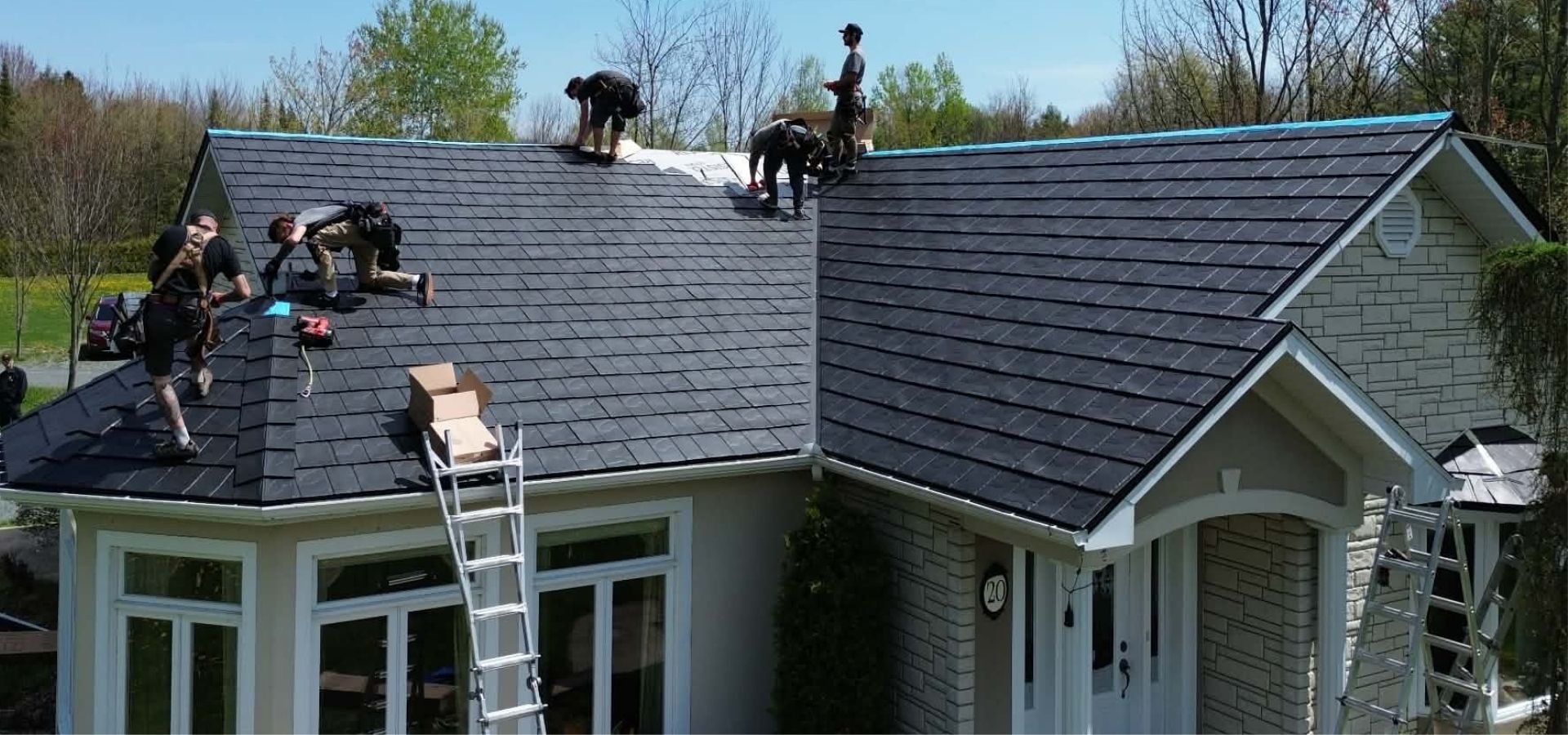 View project
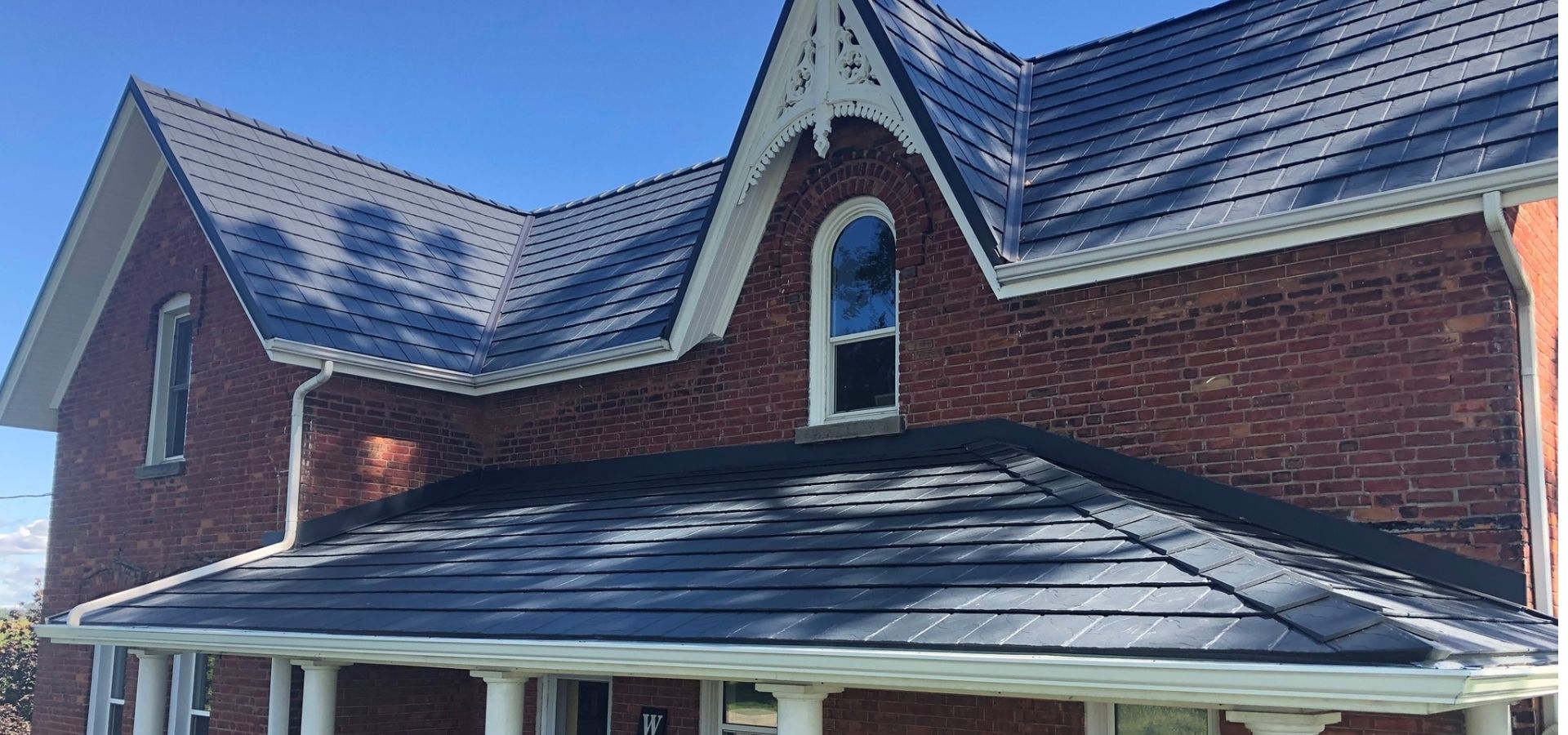 View project
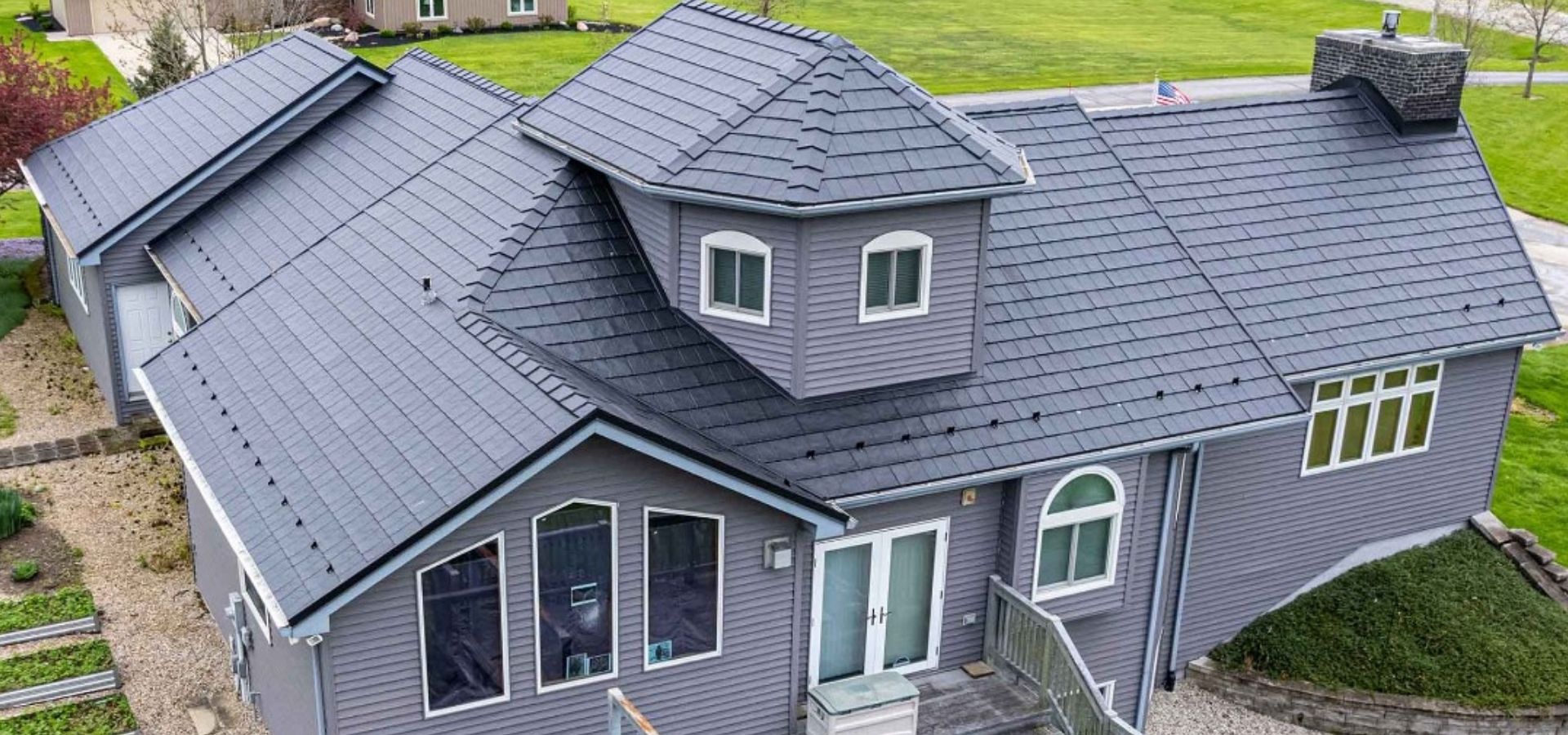 View project
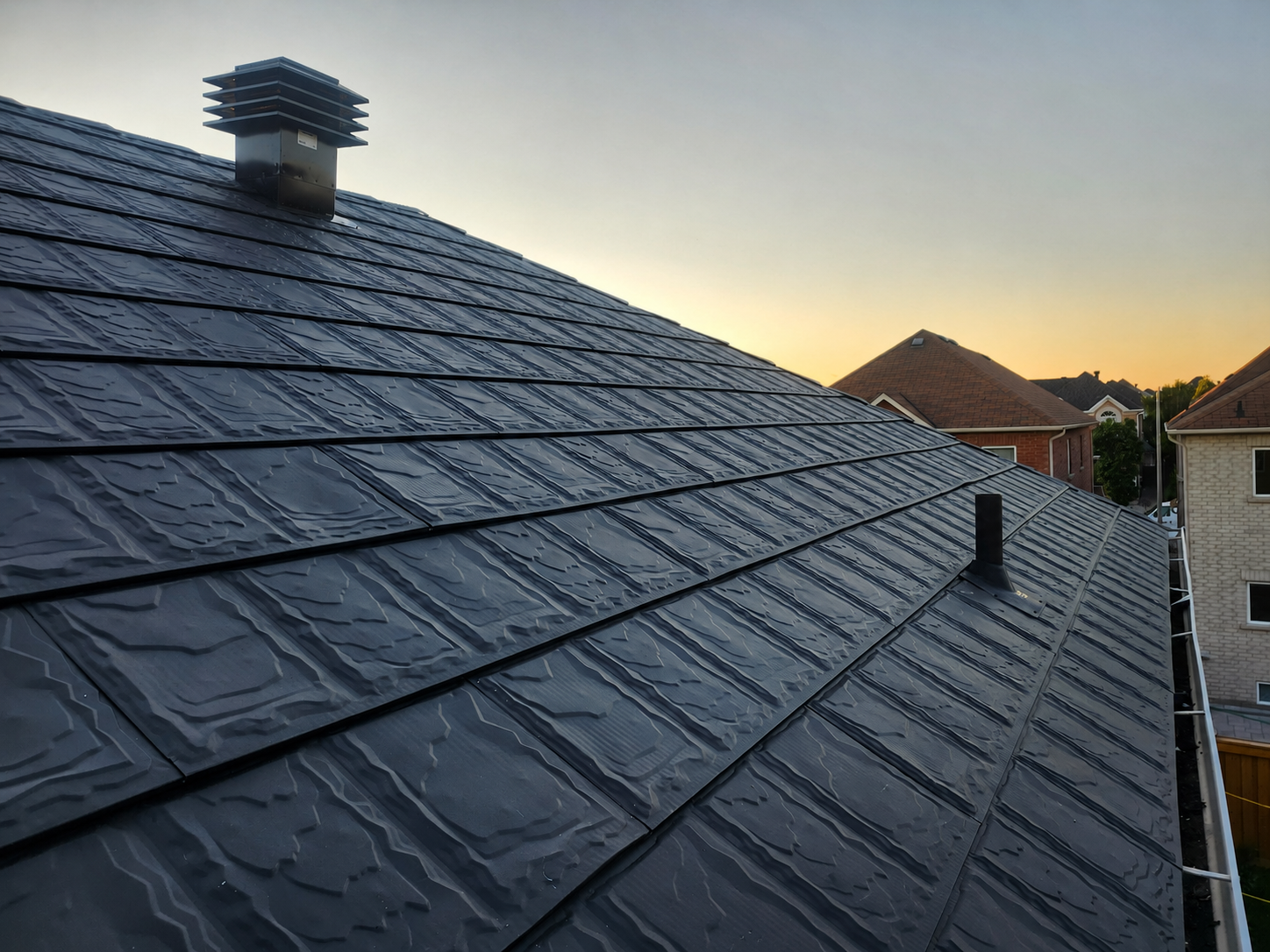 View project
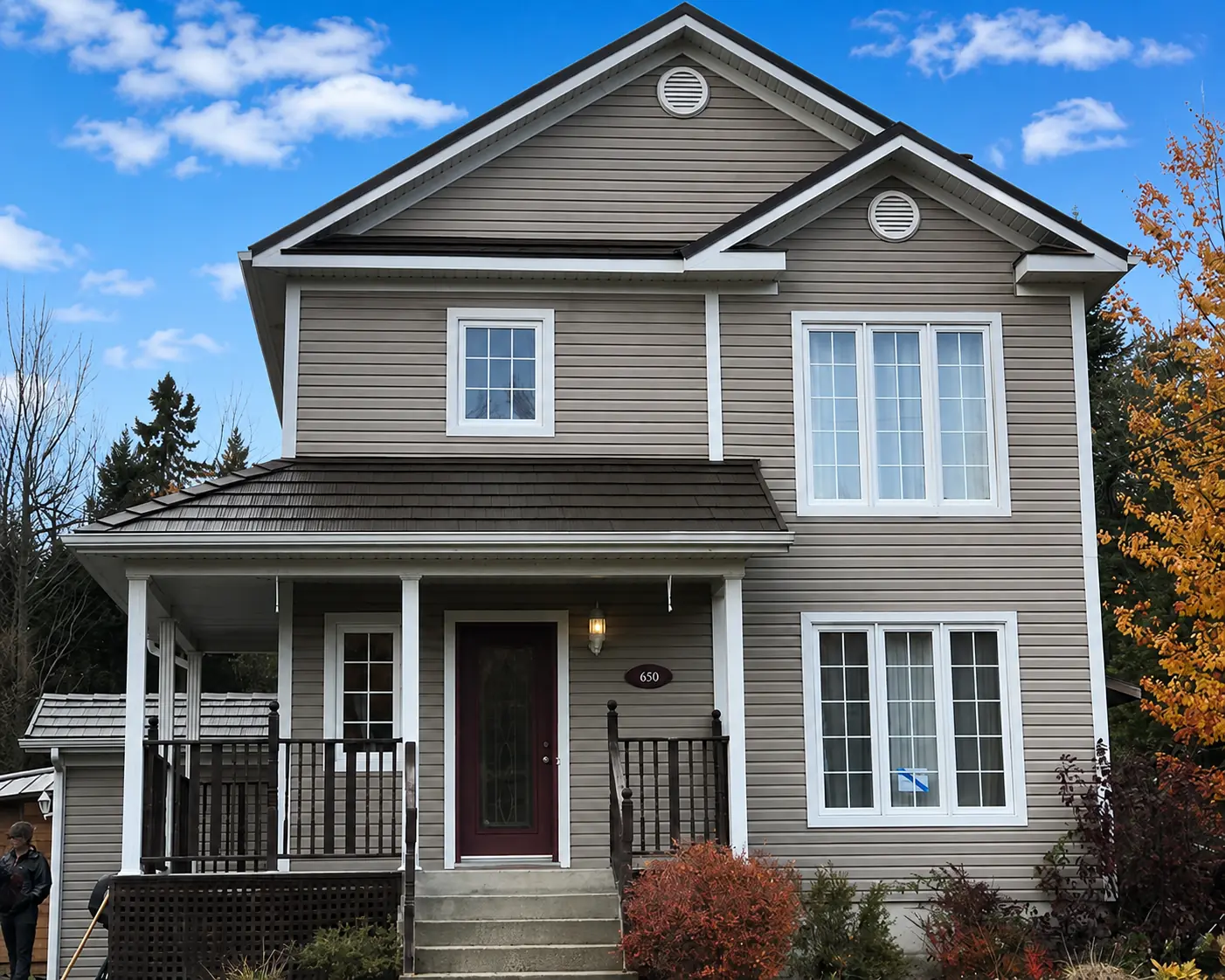 View project
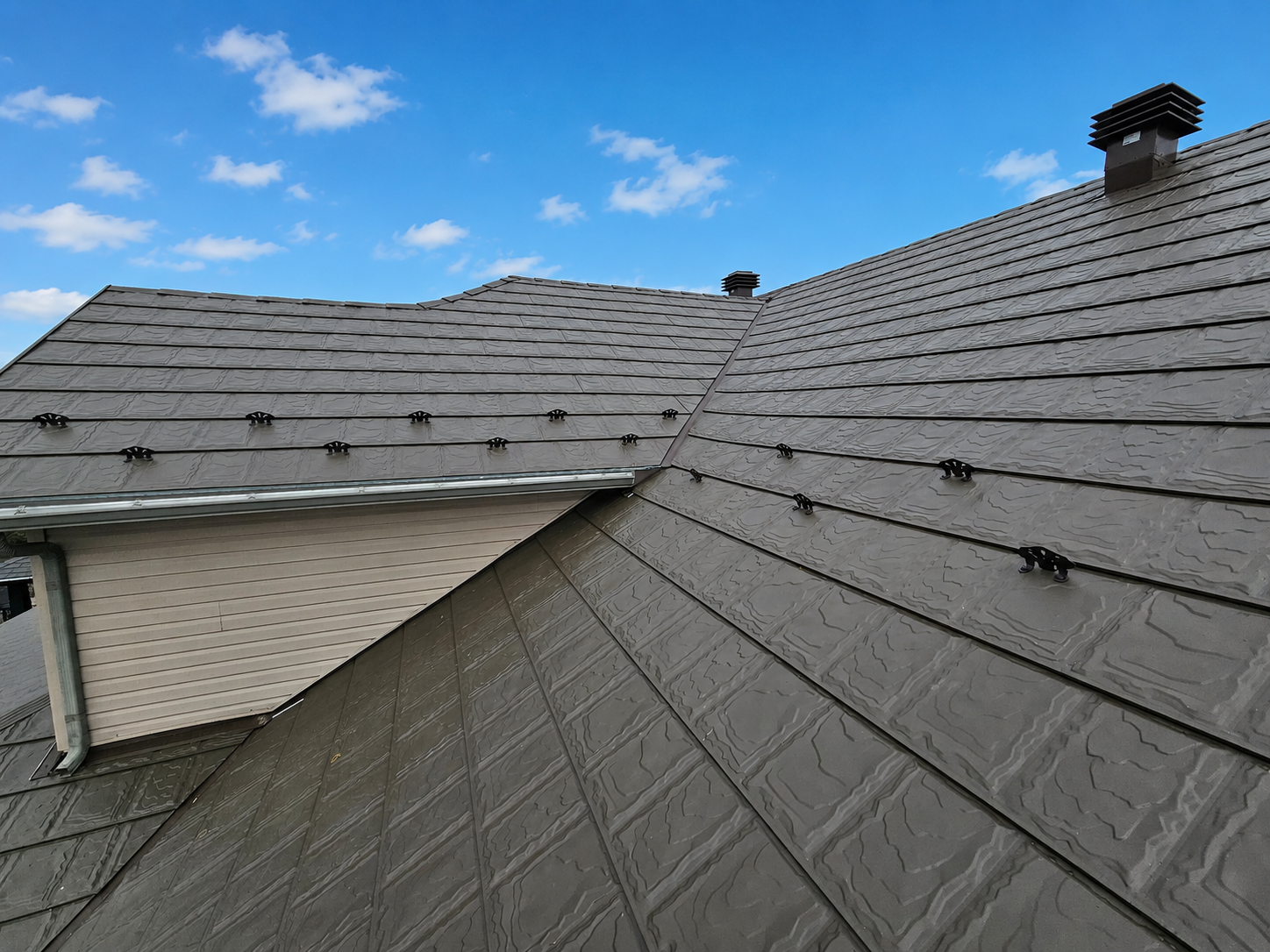 View project
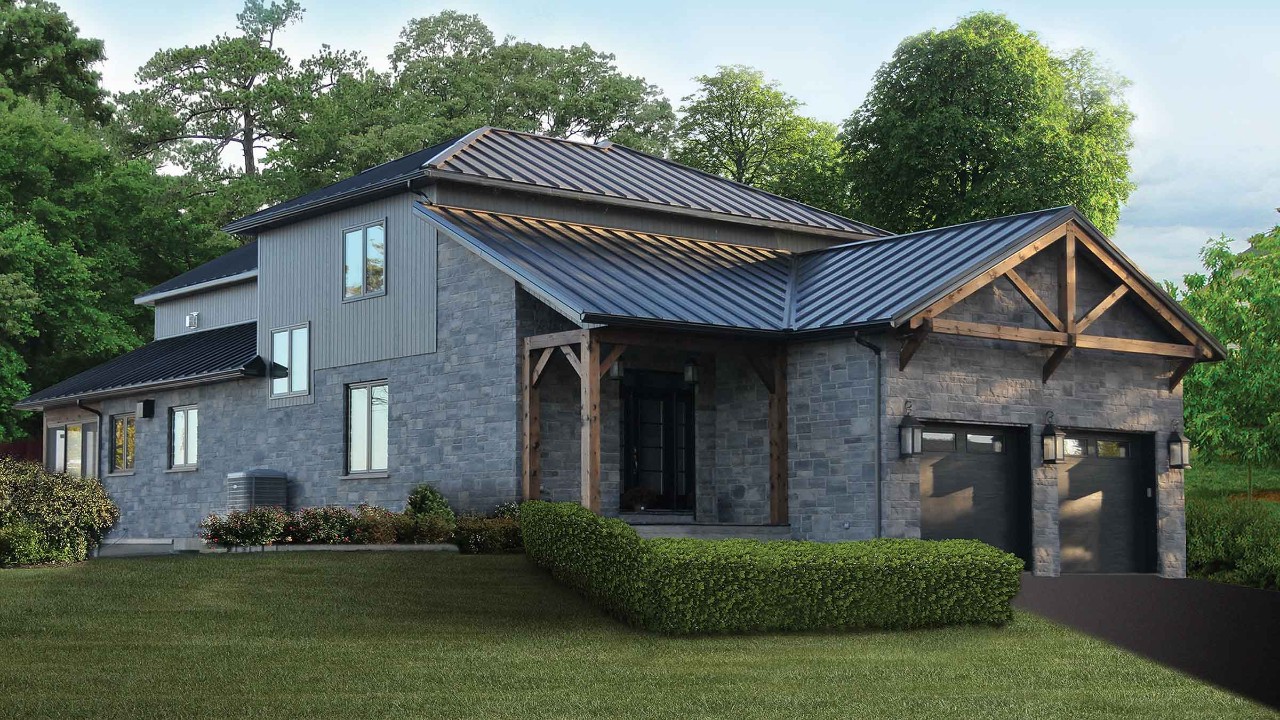 View project
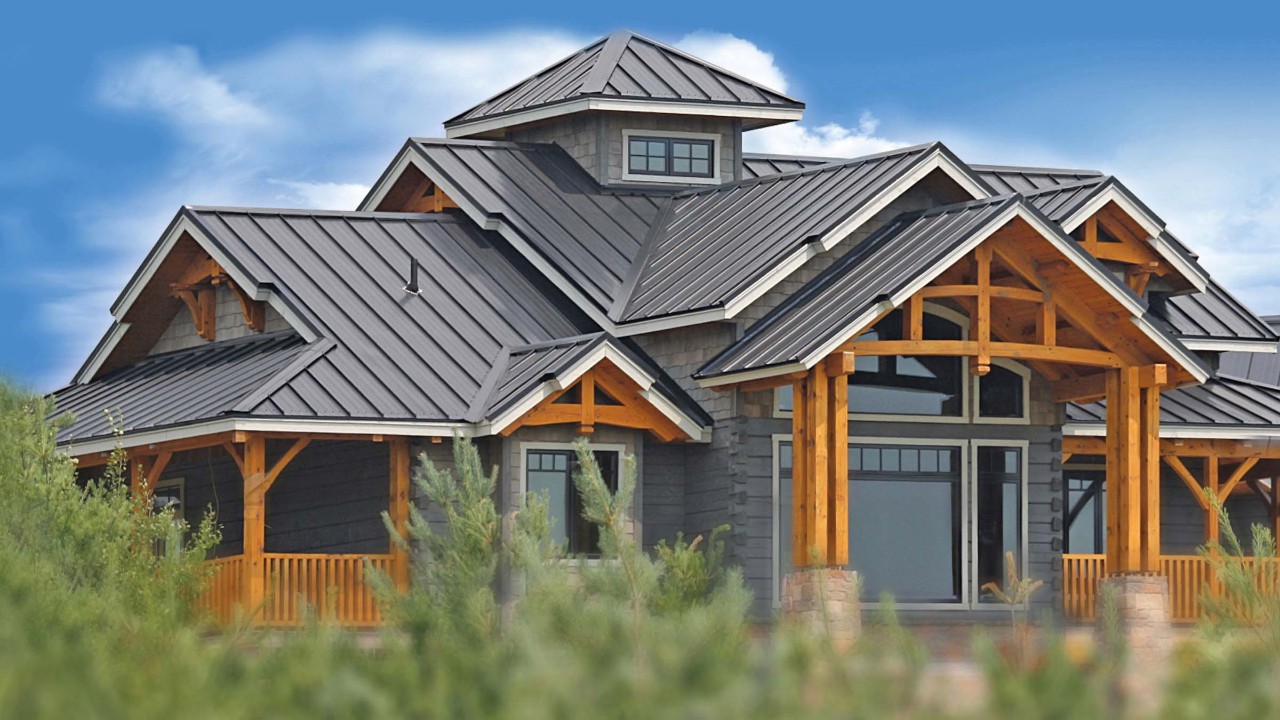 View project
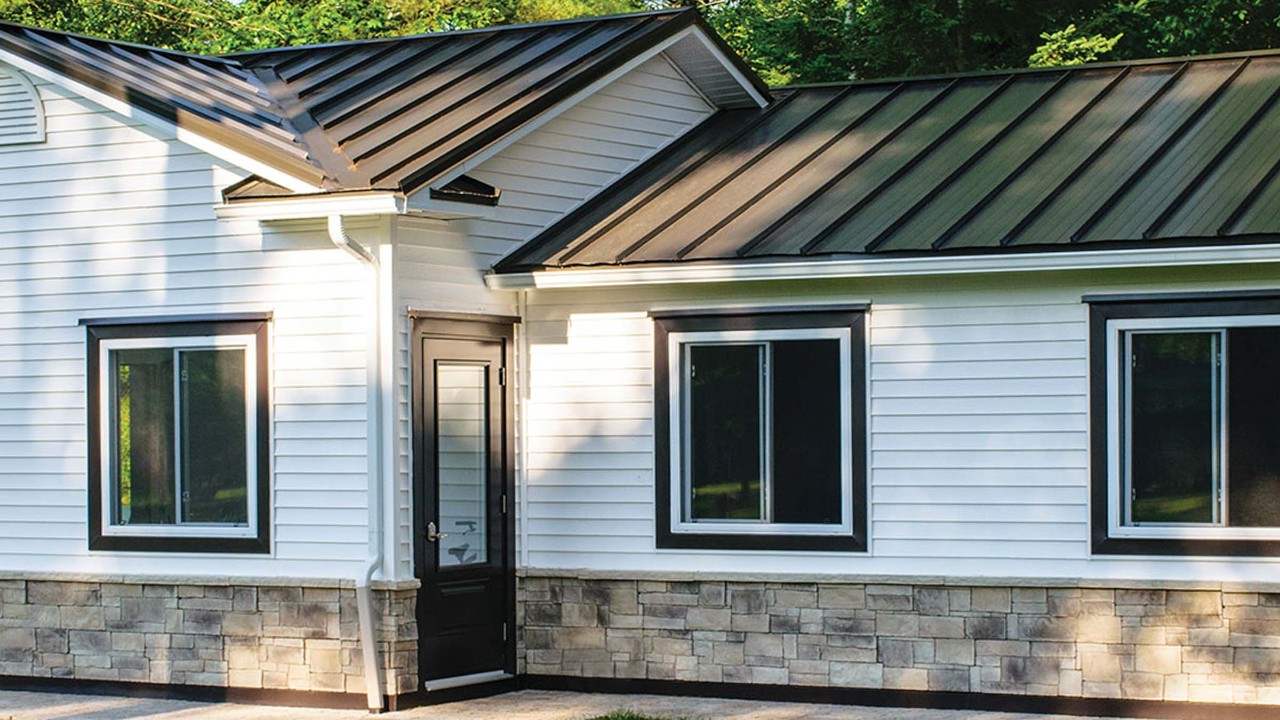 View project
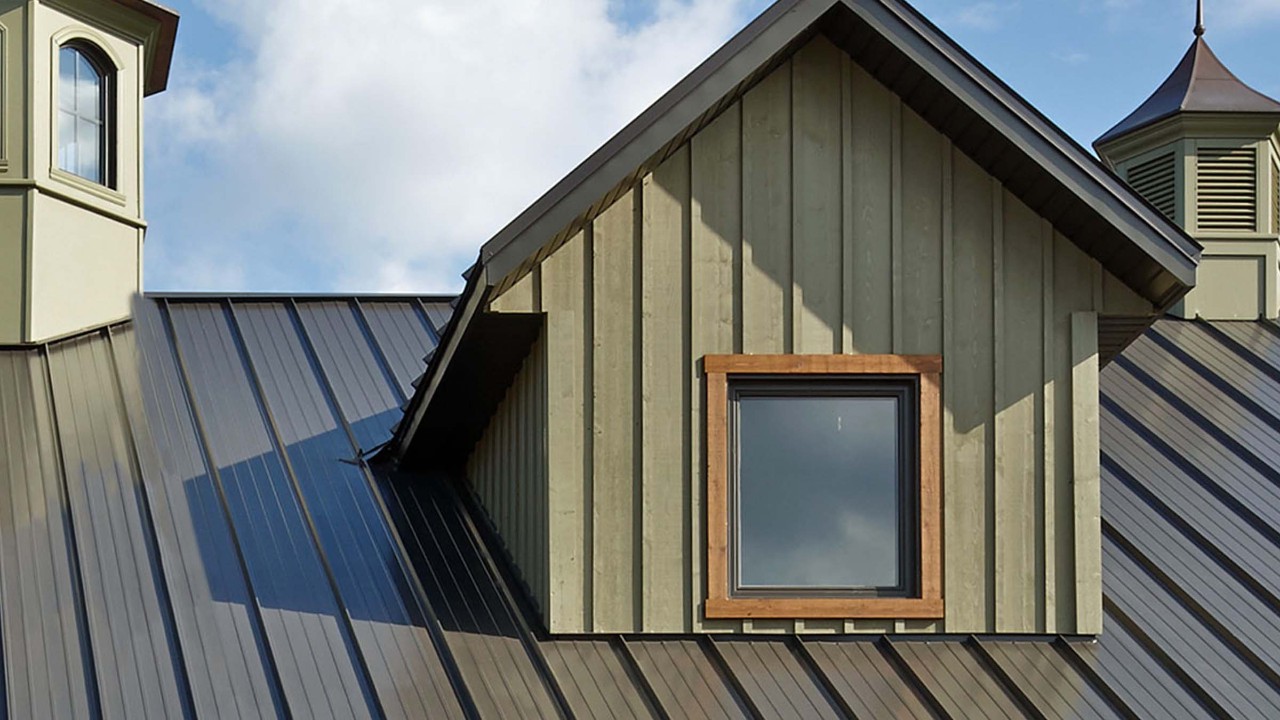 View project
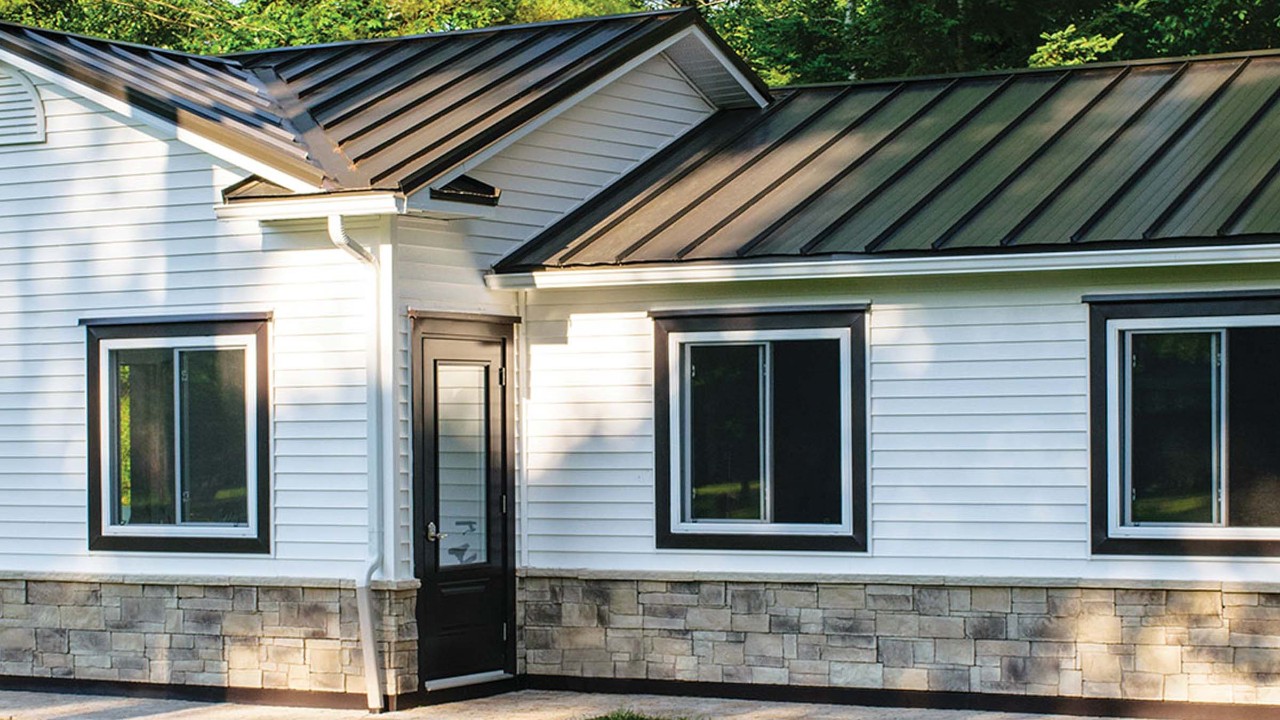 View project
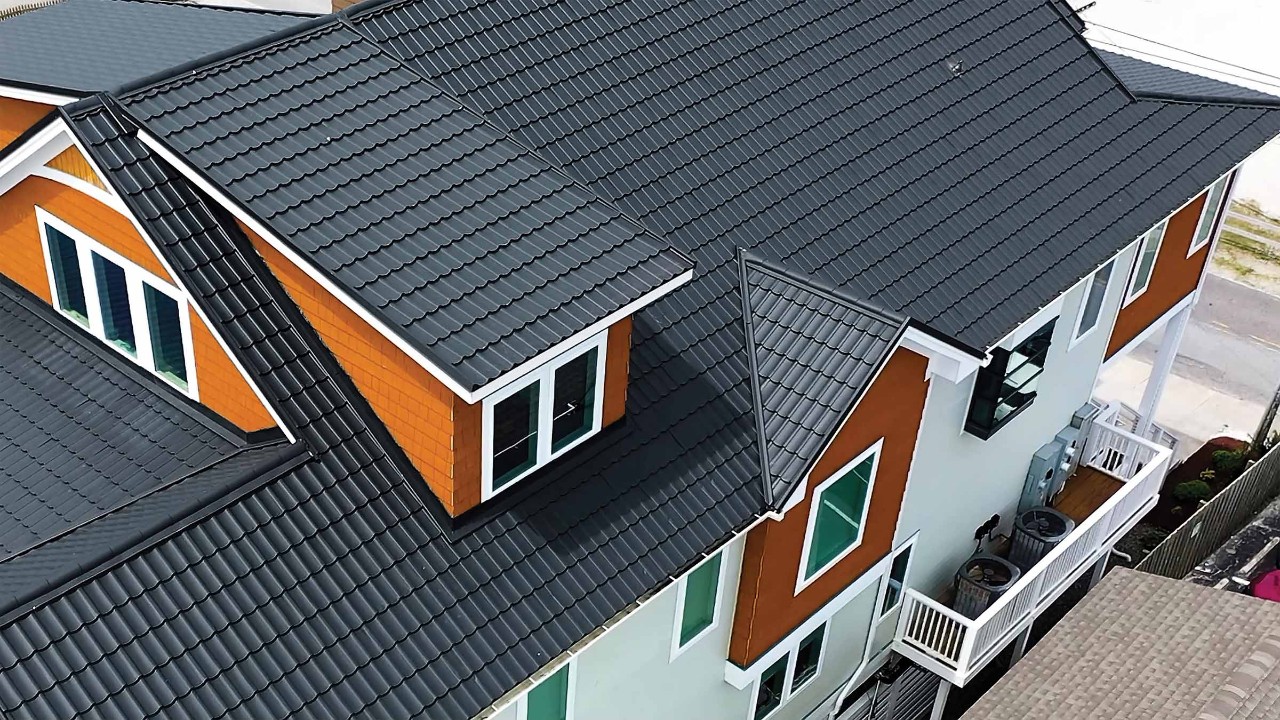 View project
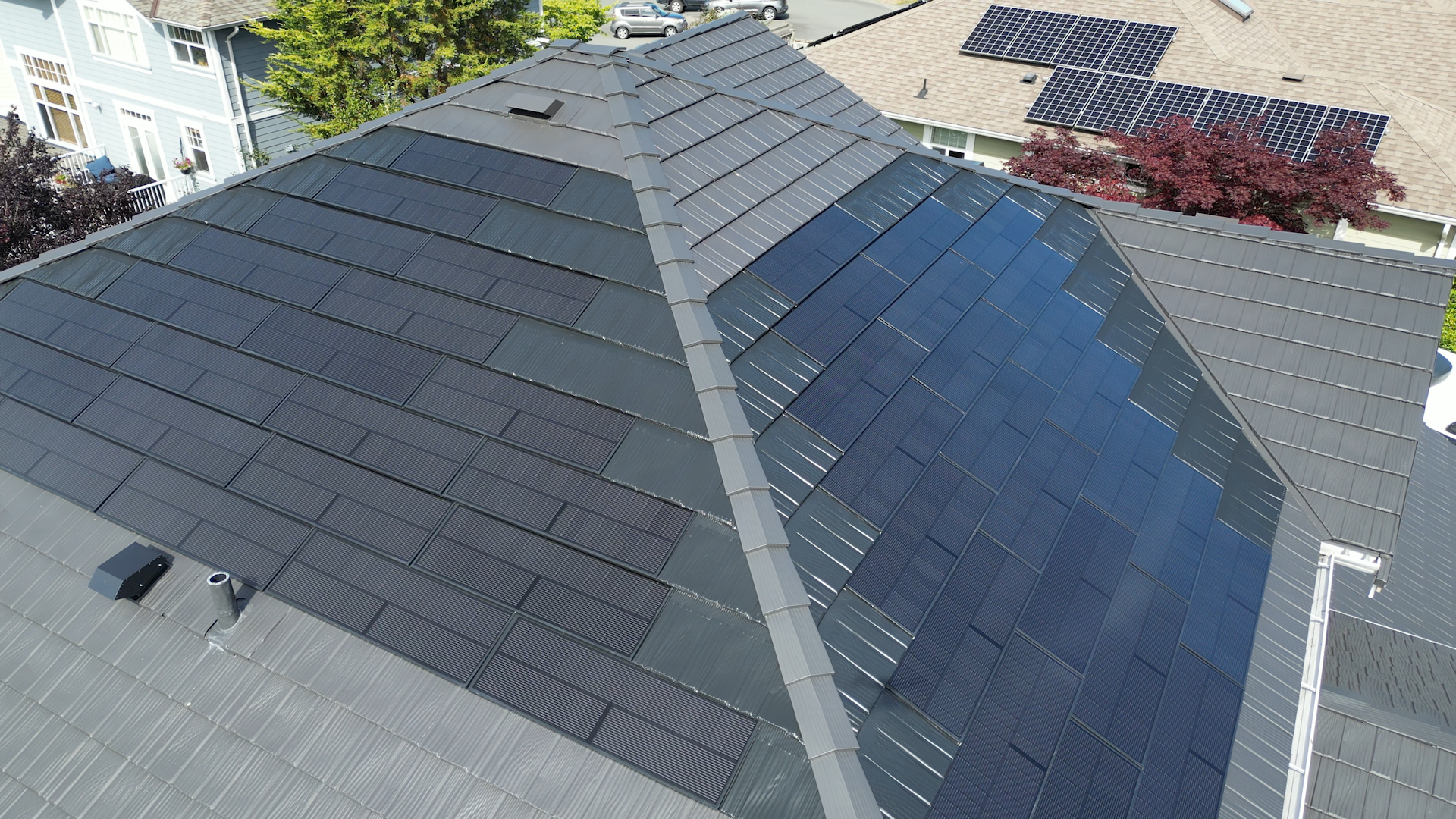 View project
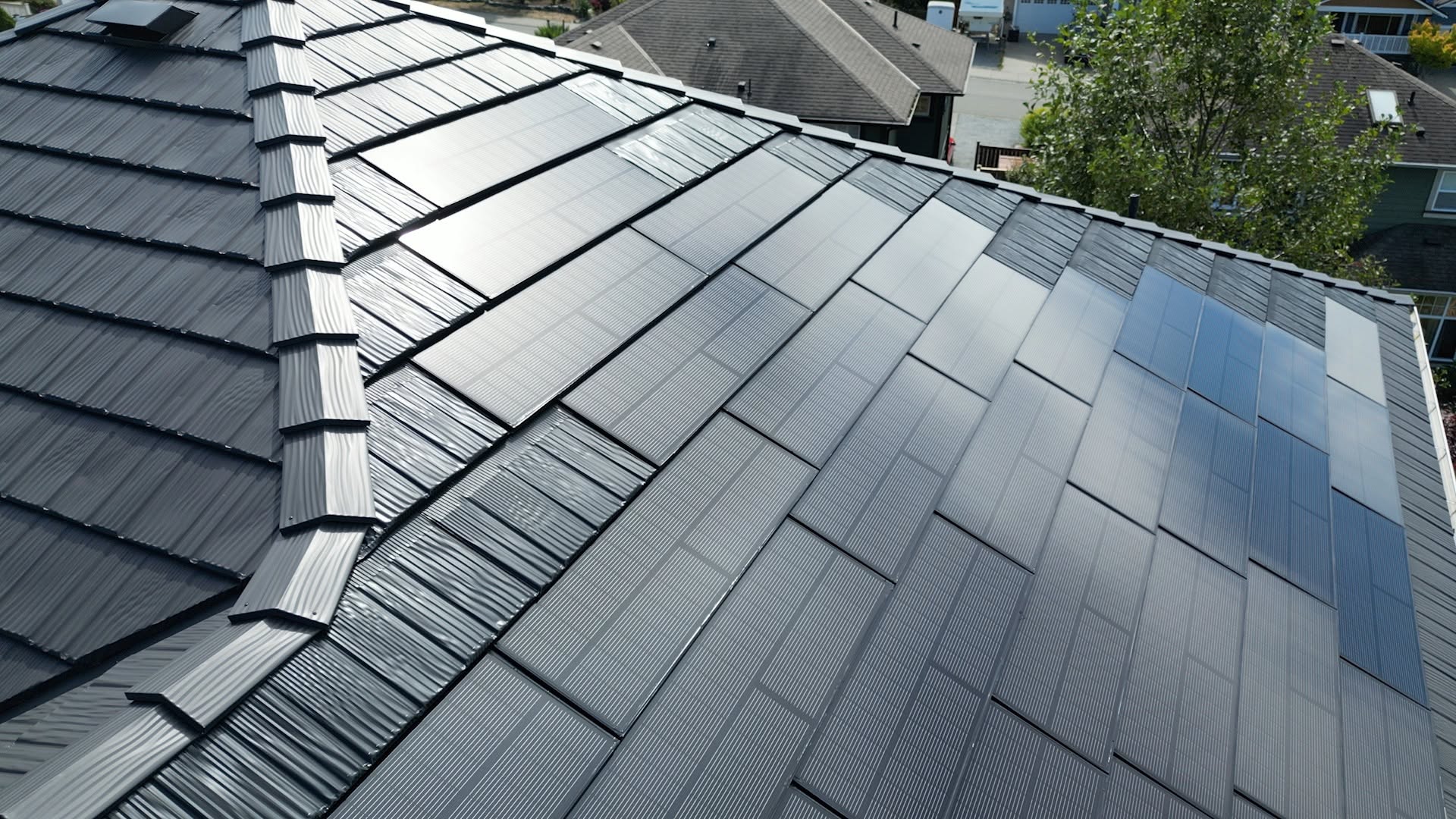 View project
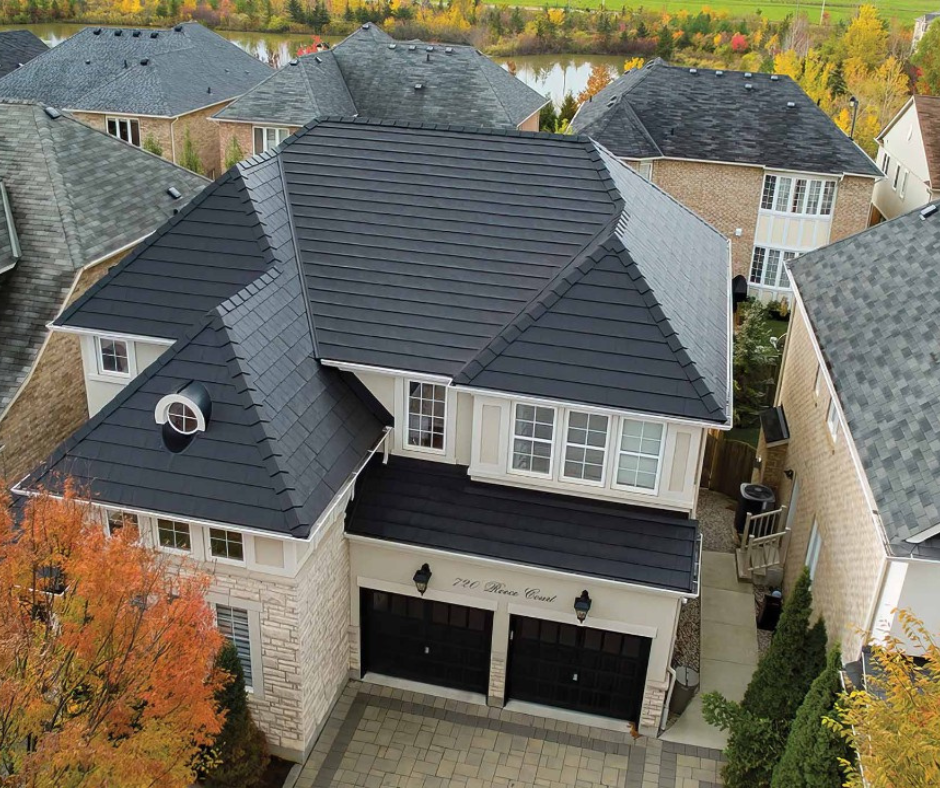 View project
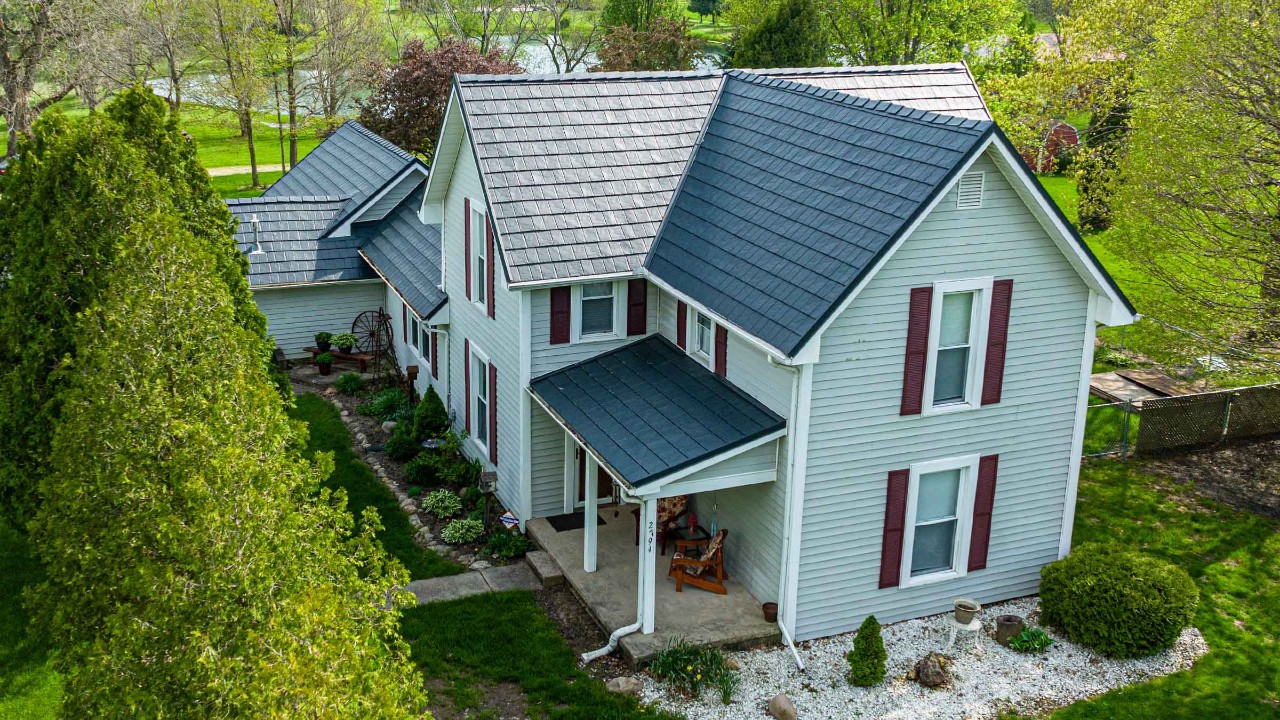 View project
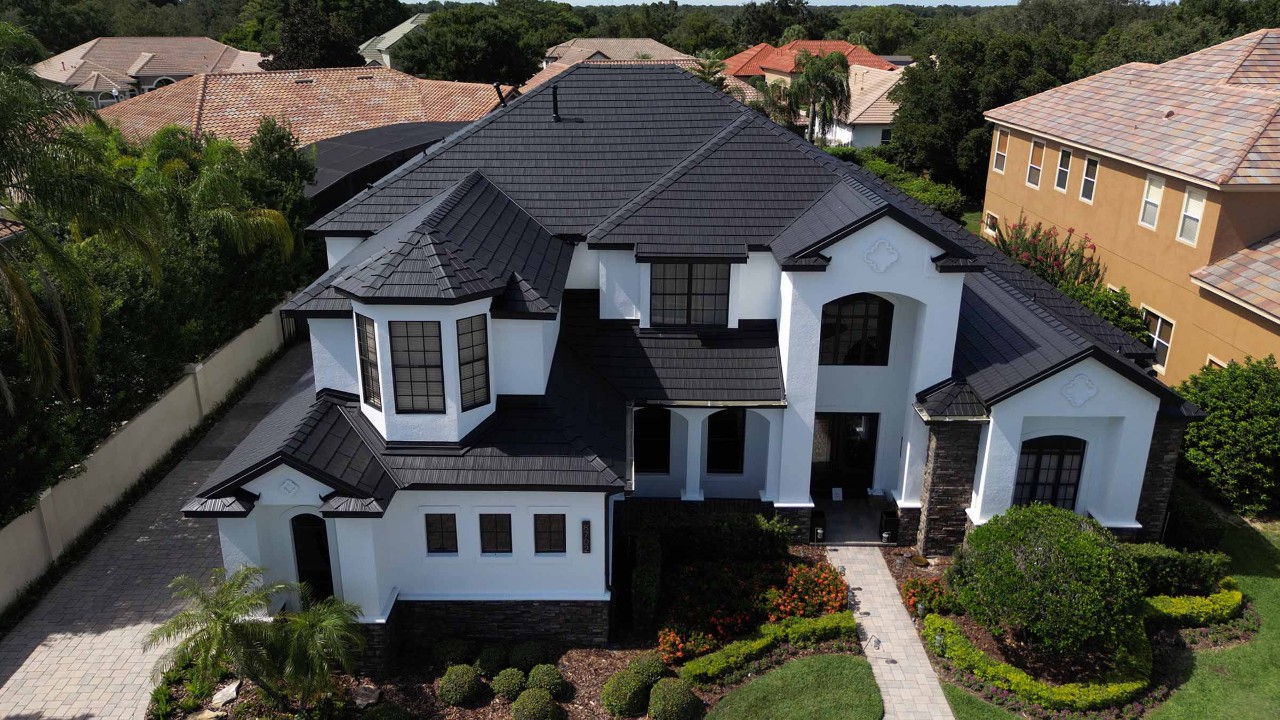 View project
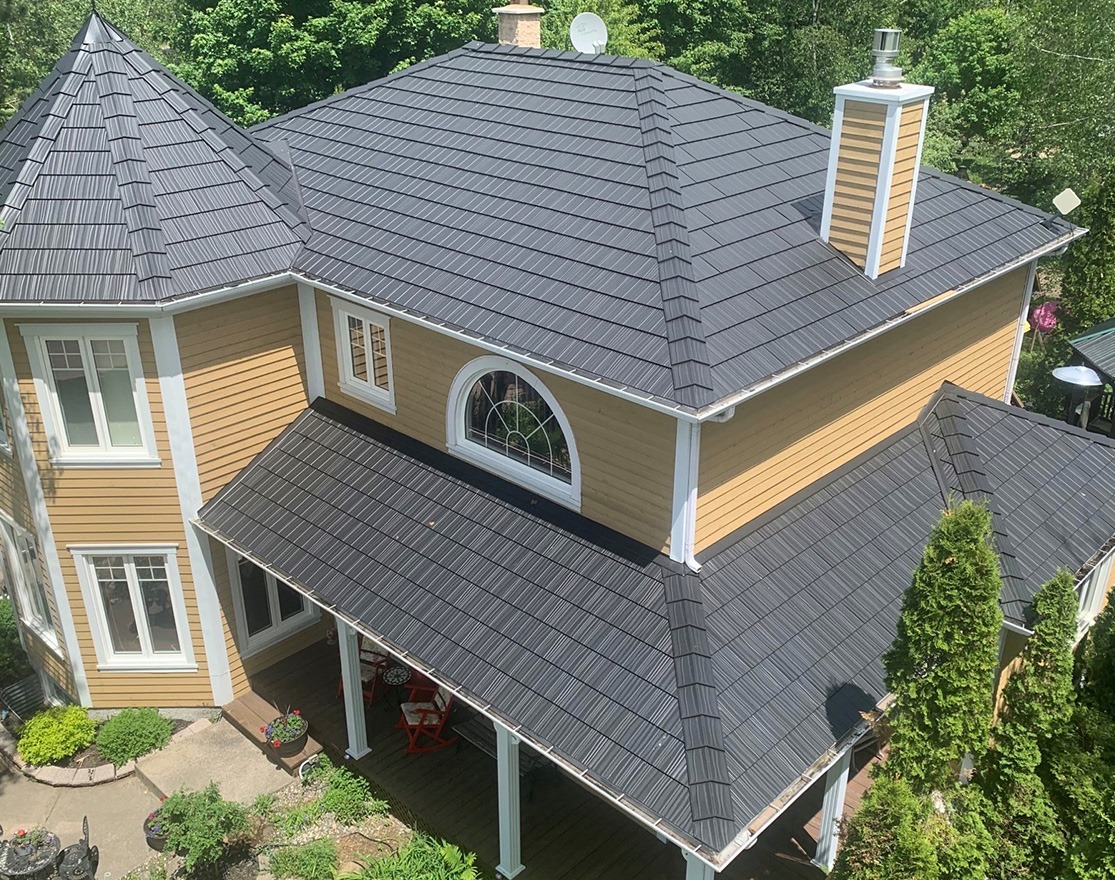 View project
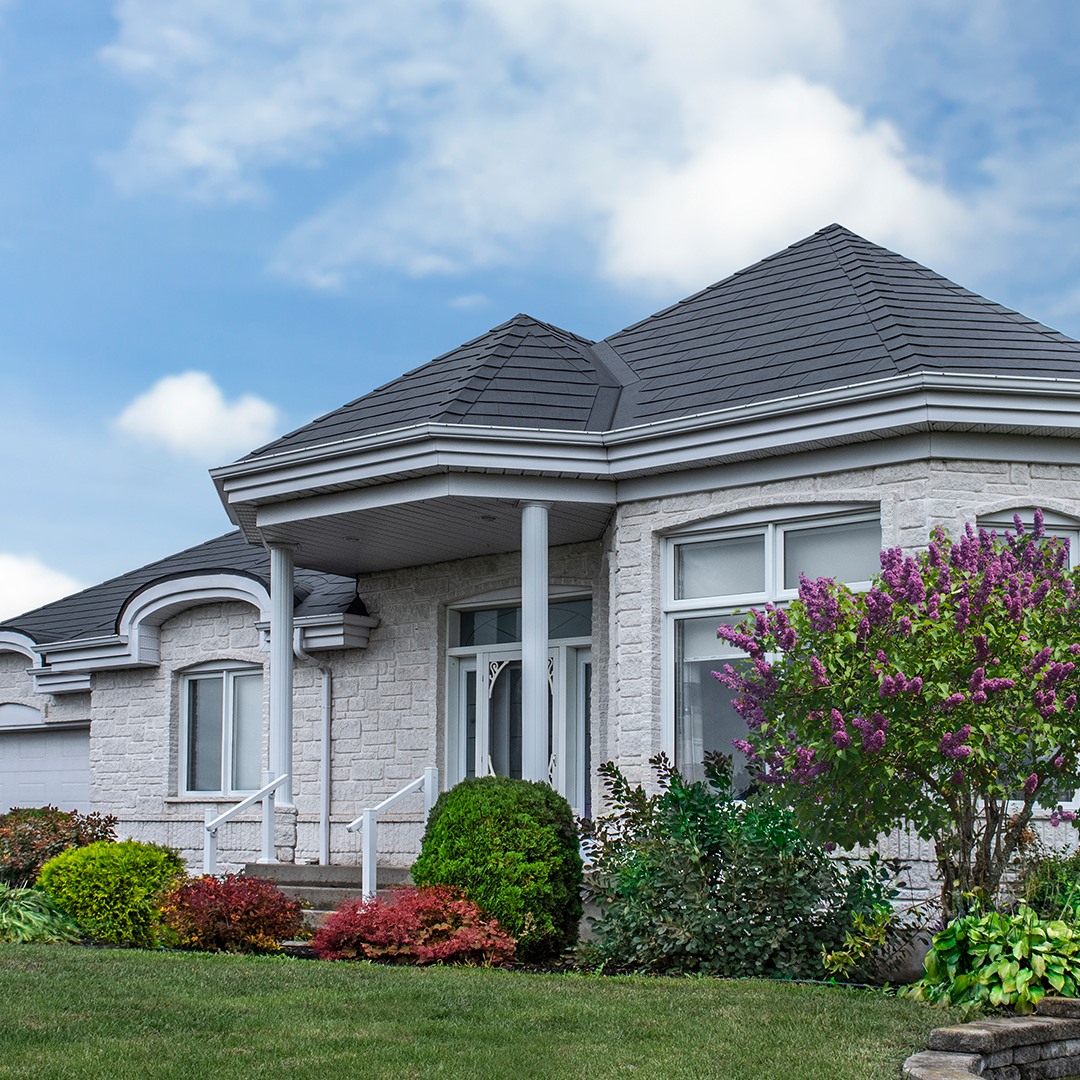 View project
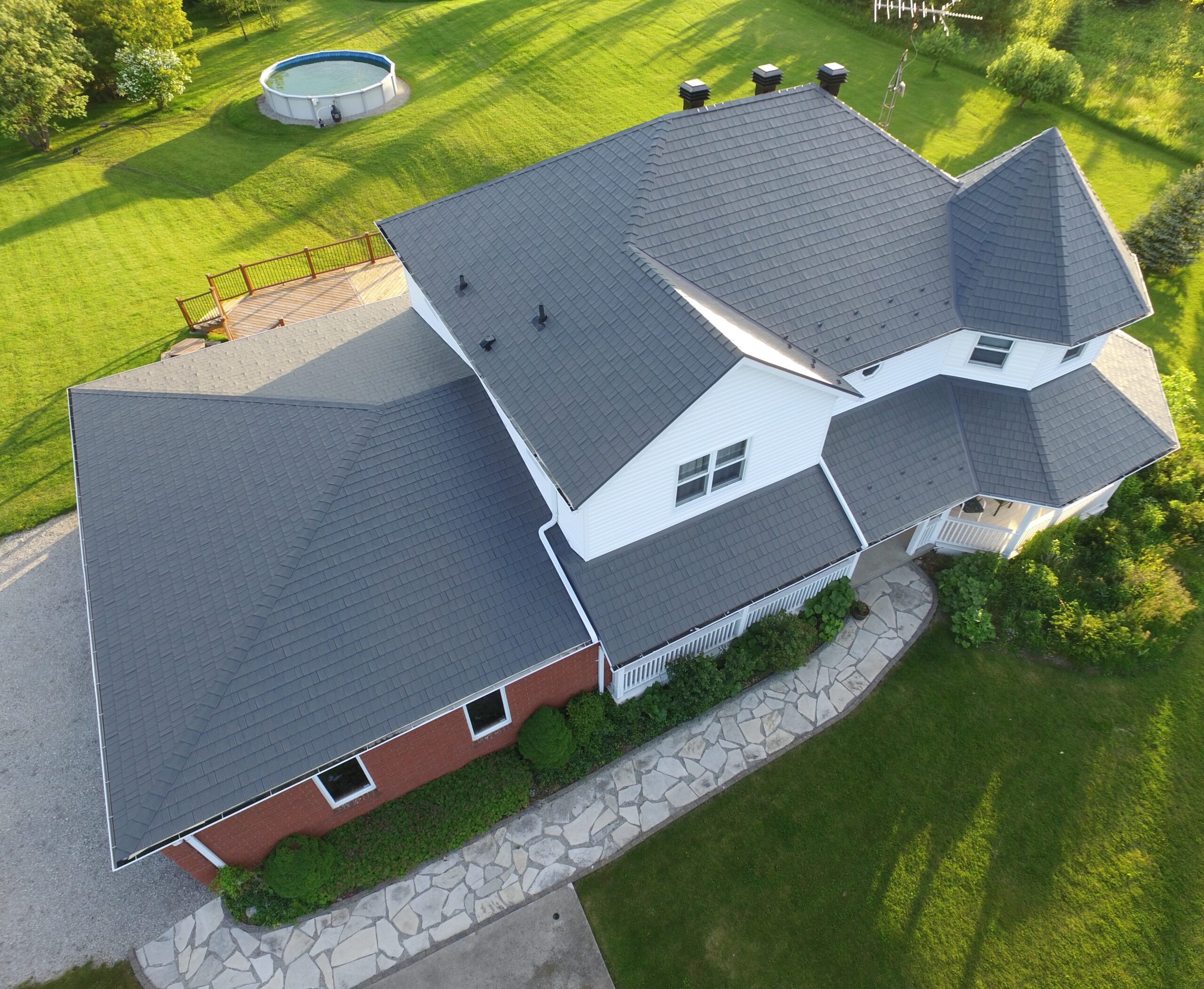 View project
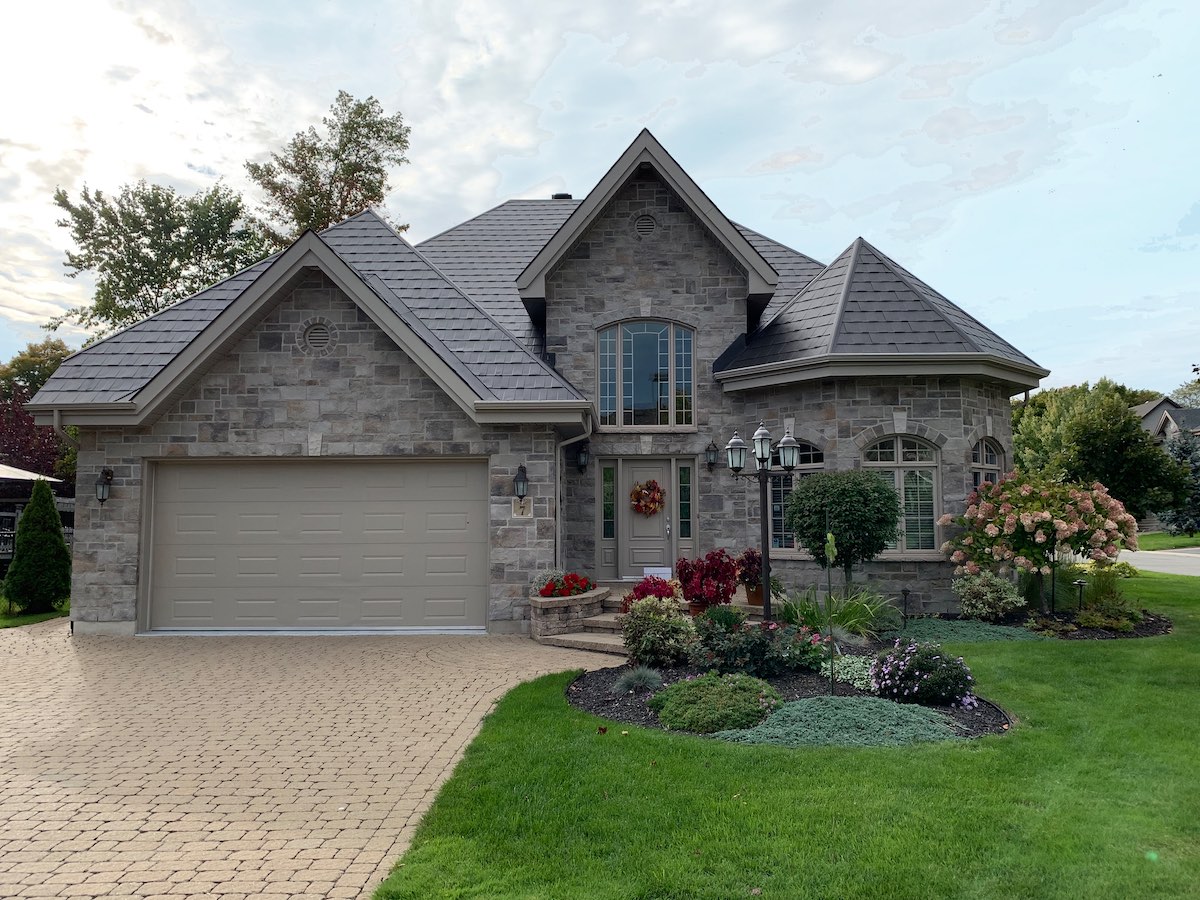 View project
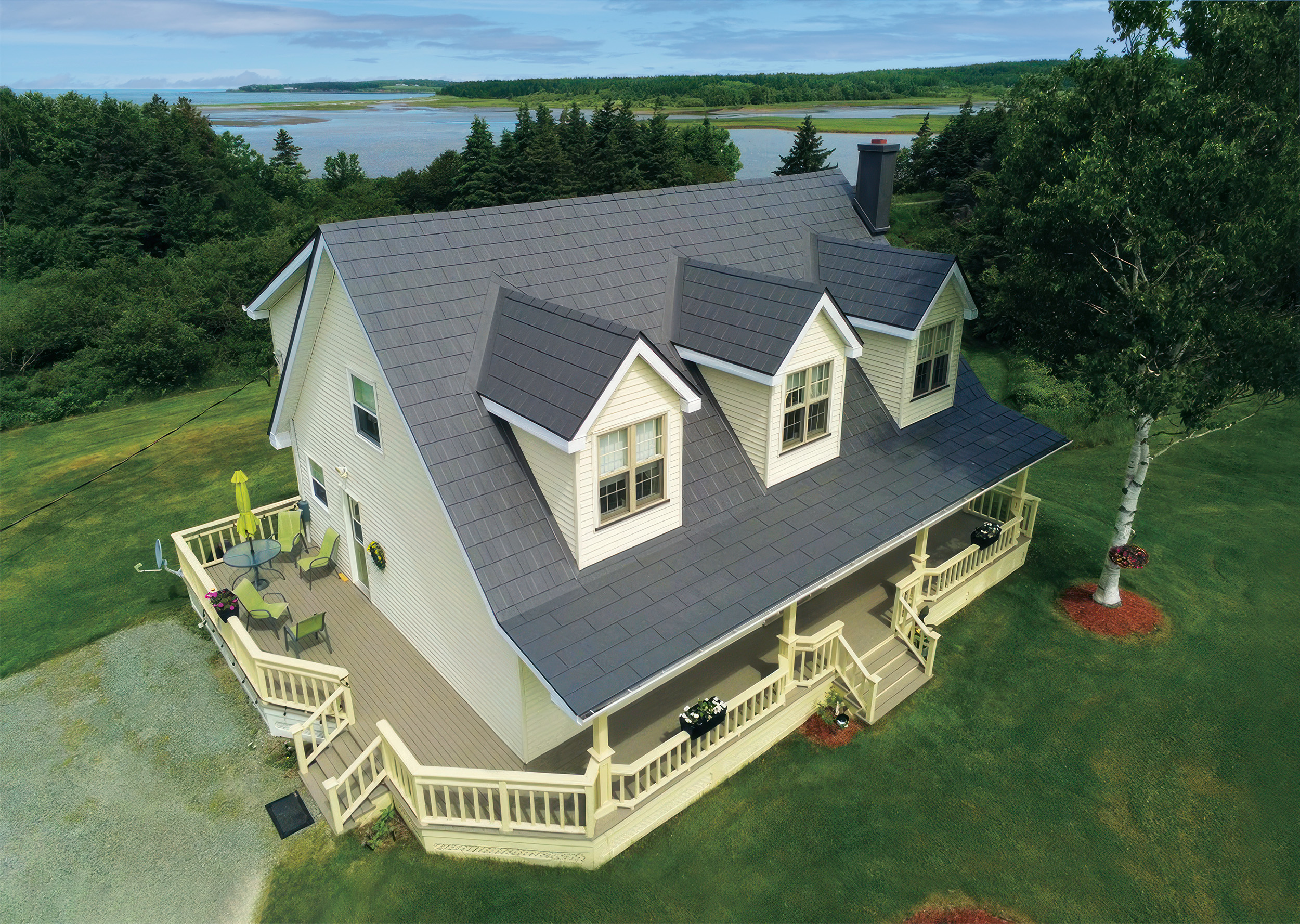 View project
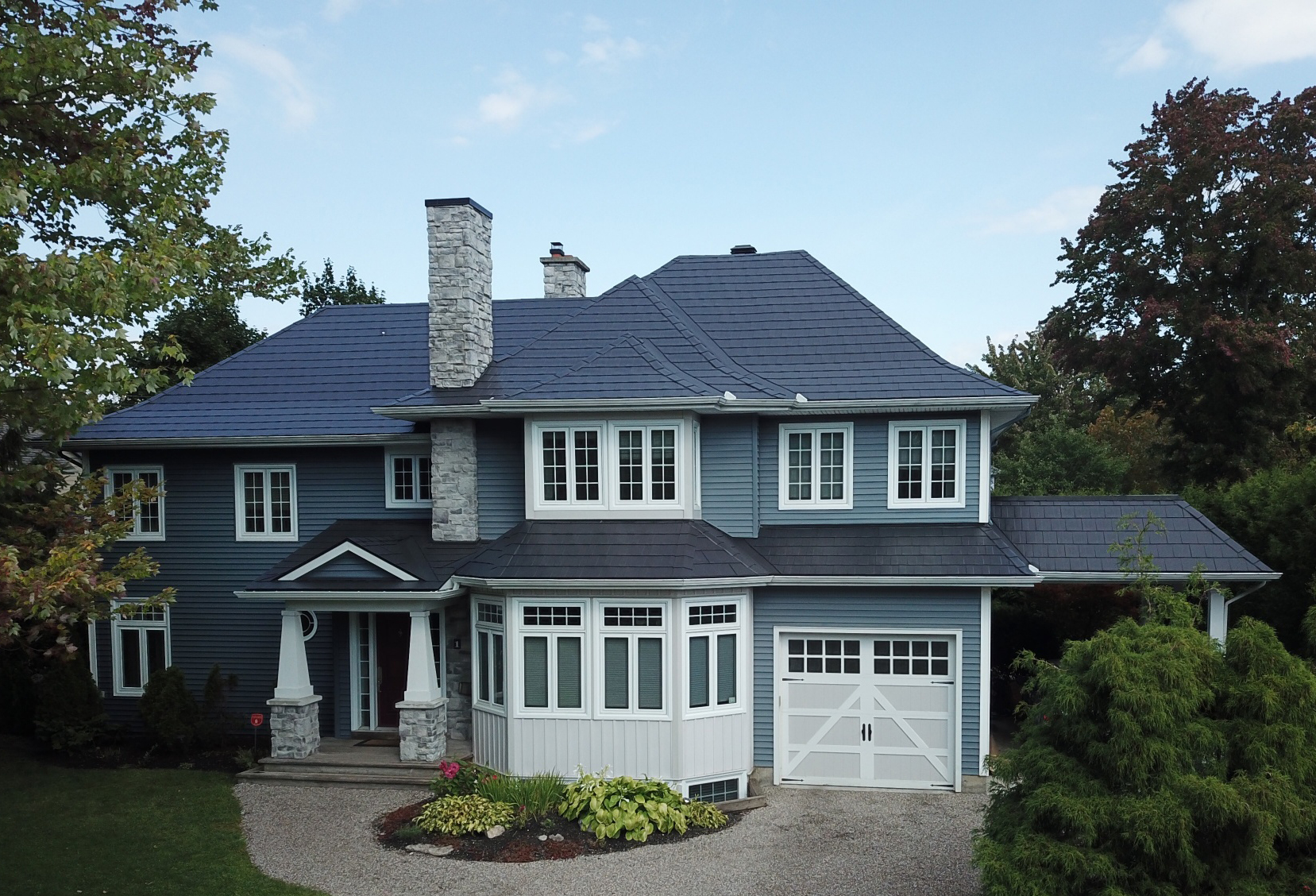 View Ottawa project
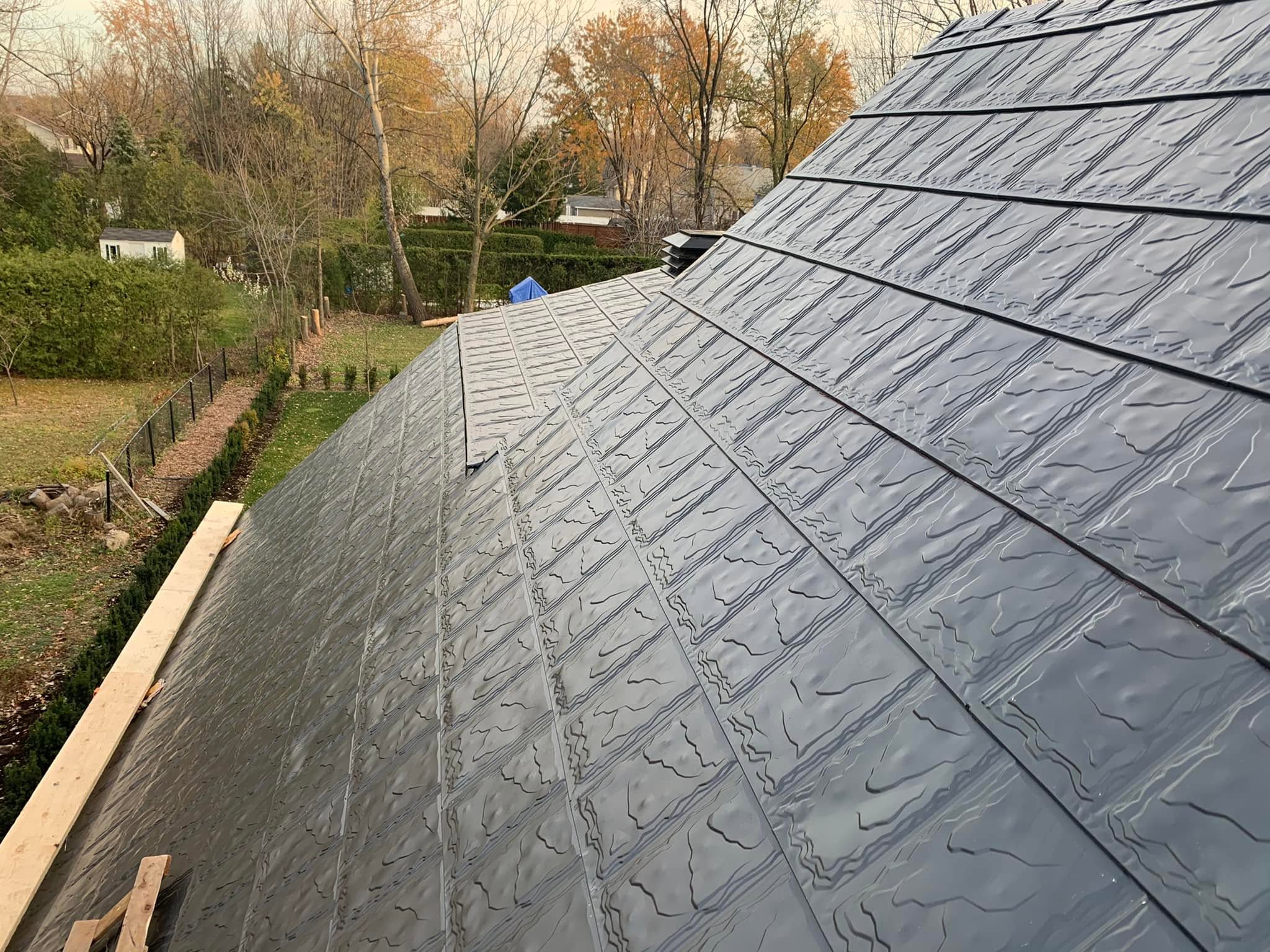 View project
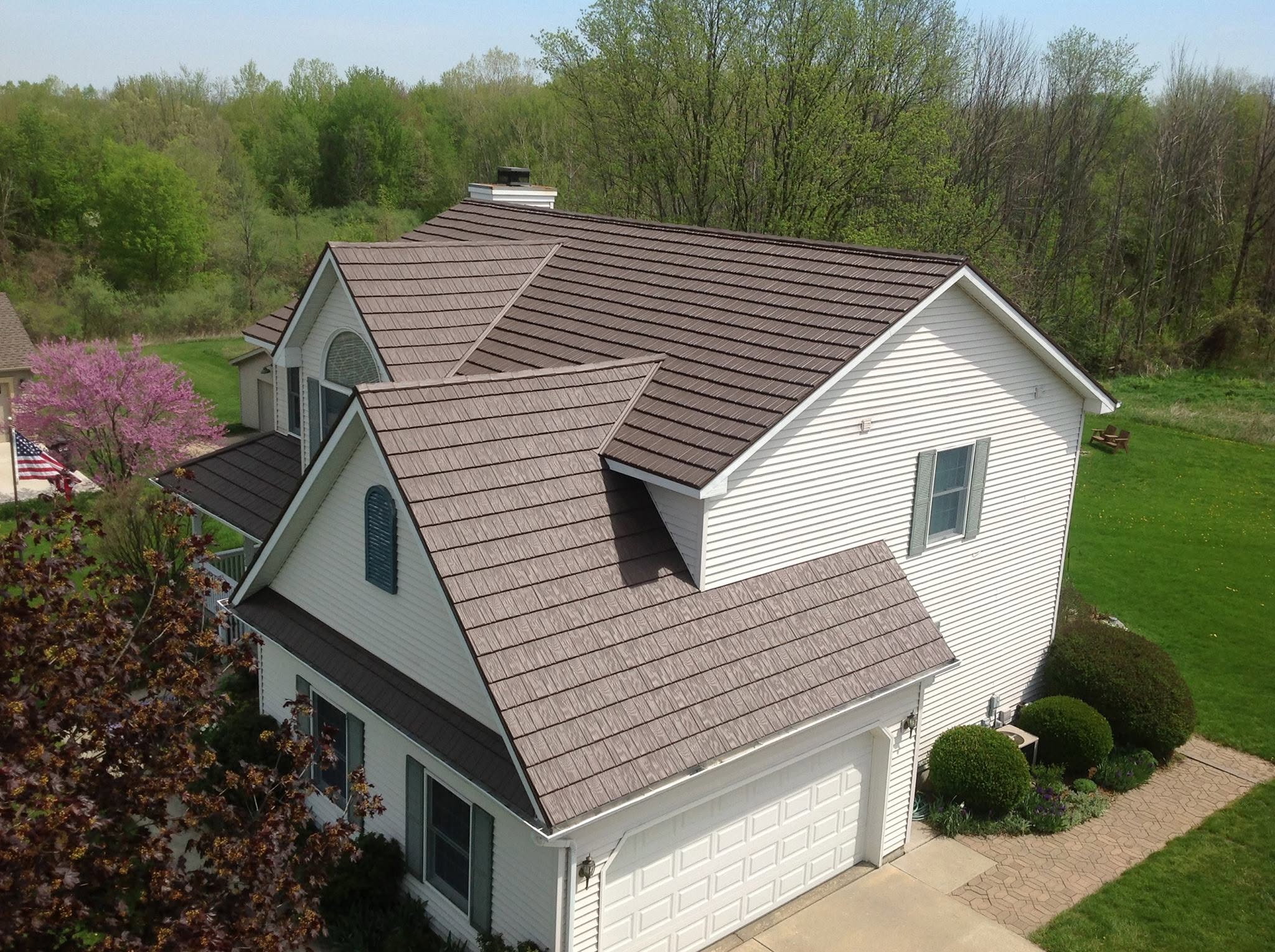 View project
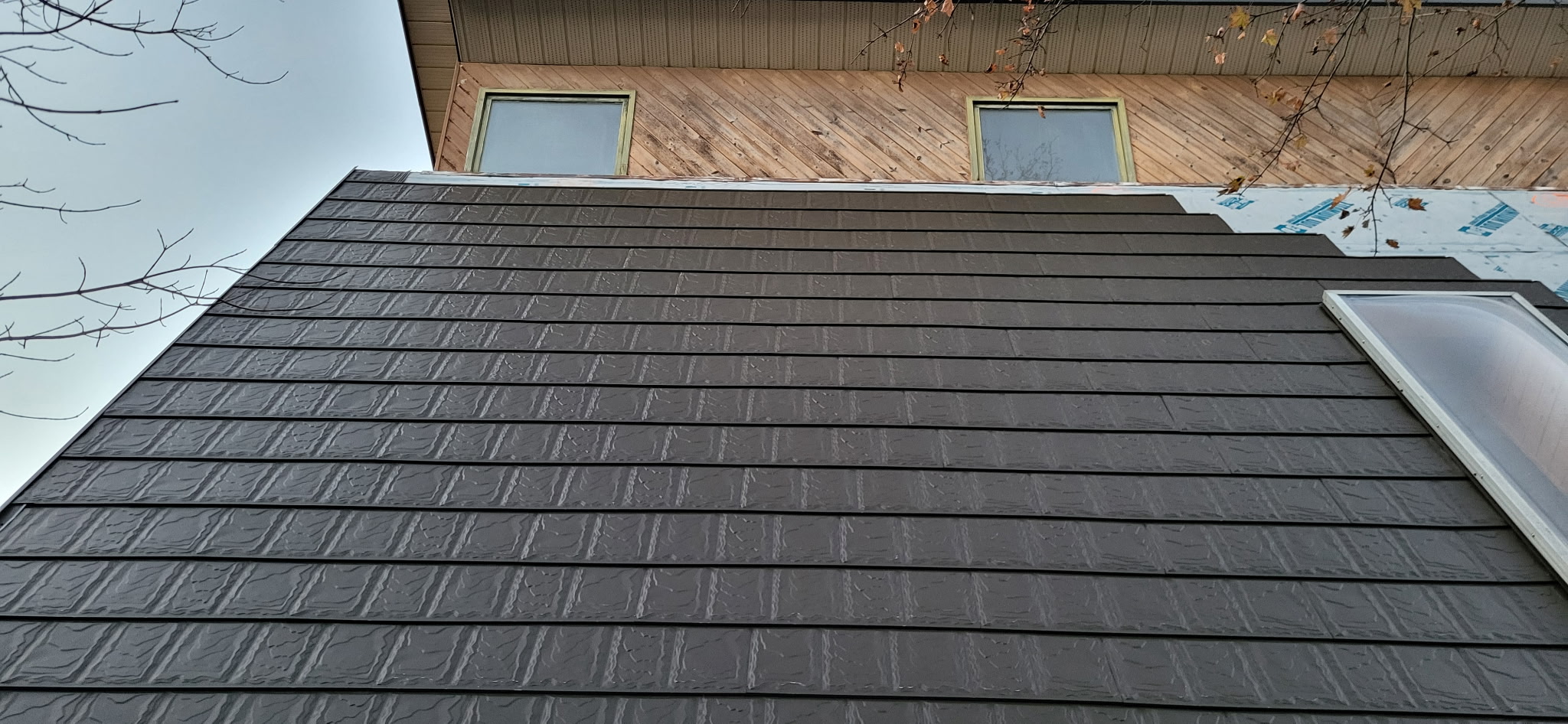 View project
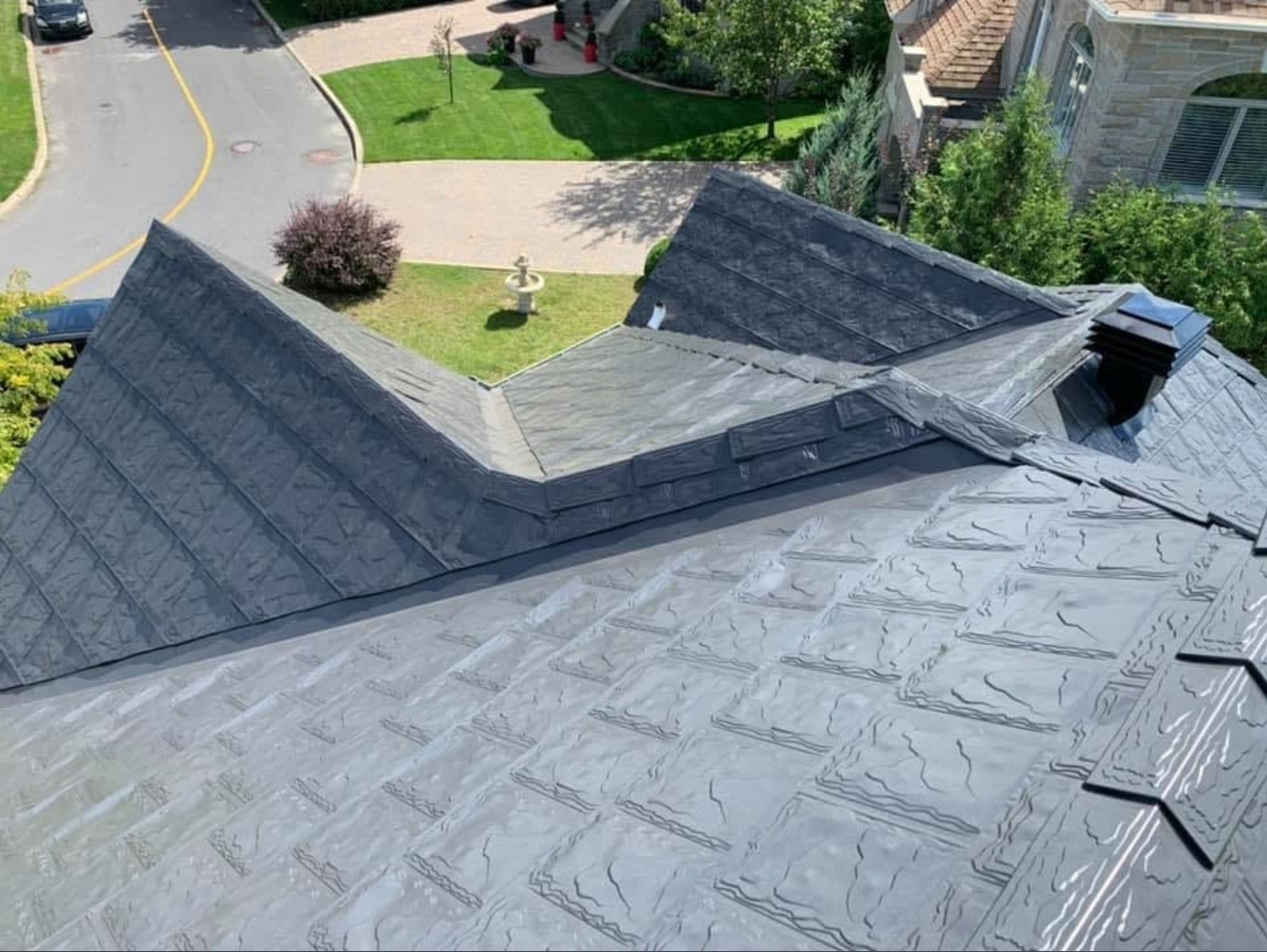 View project
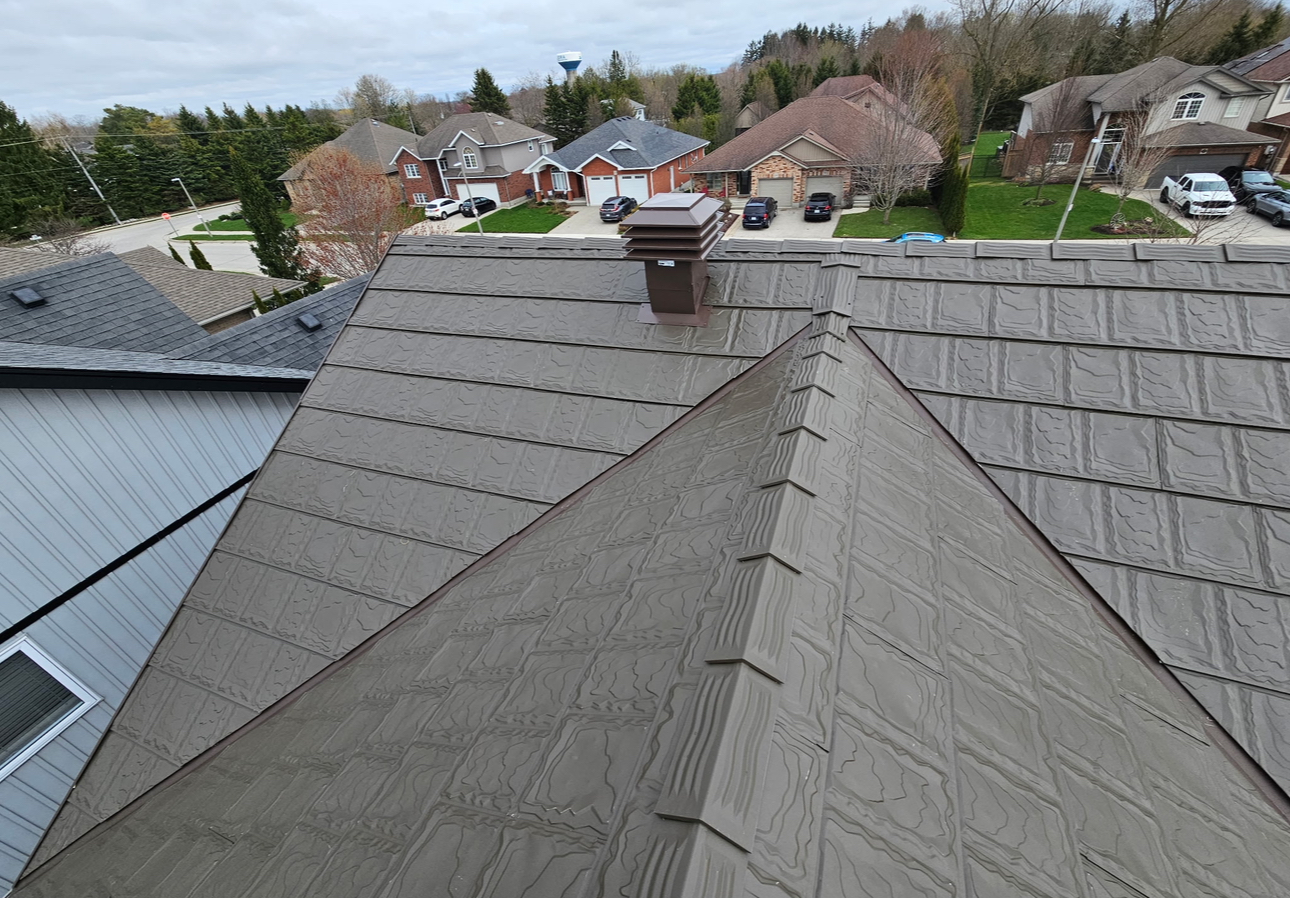 View project
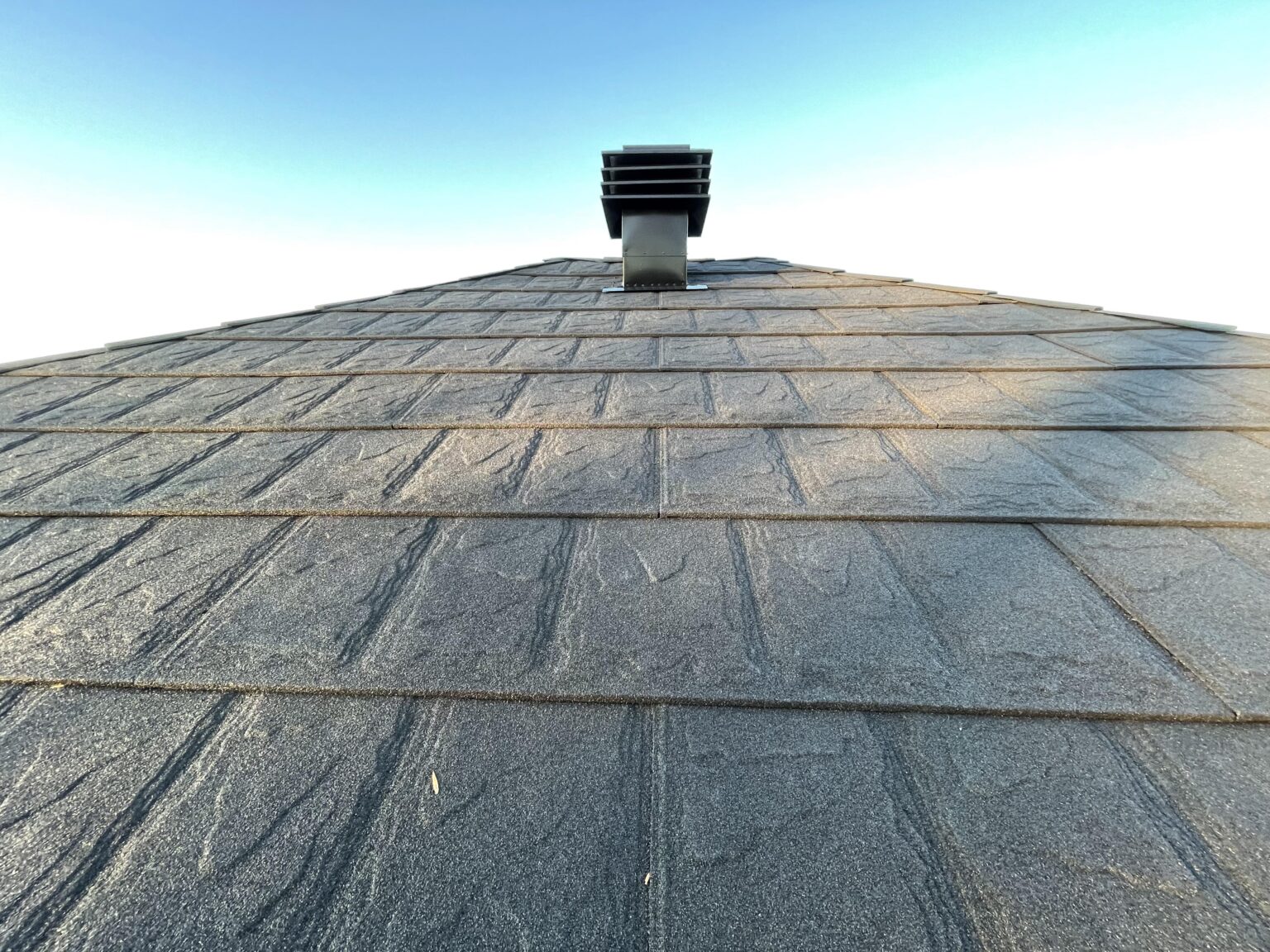 View project
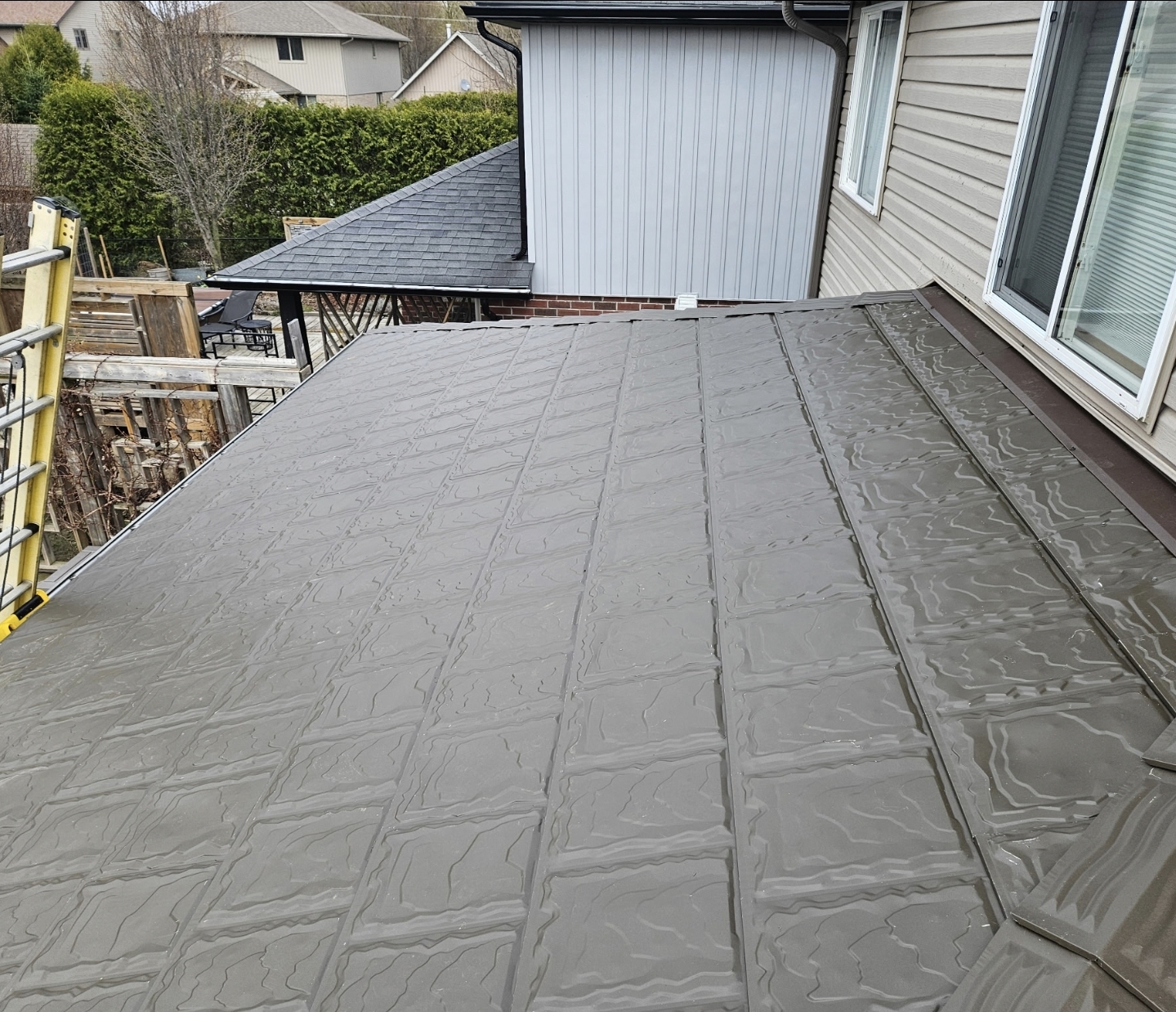 View project
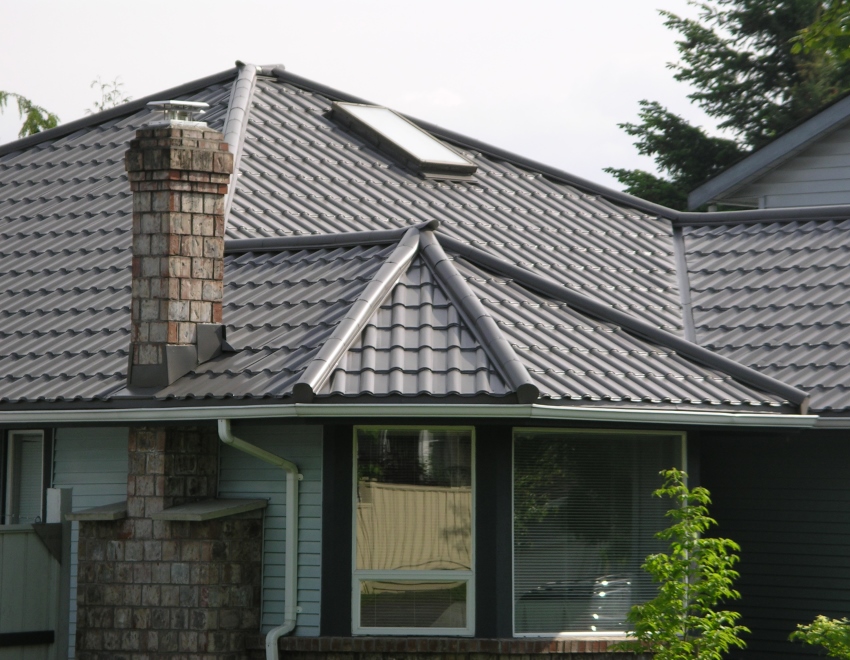 View project
Get your free metal roof estimate
Tell us about your Ottawa-area property. ROOFNOW™ will review the details and contact you about the next step.
- Free project-specific estimate
- No obligation to proceed
- Permanent steel roofing options
- Education-first guidance
Tell us about your roof
Fields marked with an asterisk are required.
Ready to plan your permanent Ottawa metal roof?
You have now seen what belongs in a serious roofing decision. The next step is not choosing from a generic online price or committing to a product from photographs. It is having your property and priorities reviewed so the proposed roof is based on your actual home.
Tell ROOFNOW™ where the property is located, what concerns you have with the existing roof and which architectural styles interest you. We will help you move from general research to a clear project conversation.
Serving Ottawa and surrounding communities: Kanata, Nepean, Barrhaven, Orléans, Stittsville, Manotick, Richmond, Greely, Carp, Kemptville, Rockland and nearby Eastern Ontario areas.
STOP RE-ROOFING. ROOF SMART. ROOF ONCE.
Service availability and project scheduling are confirmed for each property address.
ROOFNOW™ · FEATURED VIDEOS
See roofing in a new light.
Explore our featured videos, get inspired for your home, and start your next roofing project with ROOFNOW™.

 Contractor Member
 50-Year Warranty